On the 27th of June 2023, the Nigerian government sent bulldozers into Mosafejo, a slum community in Oworonshoki Lagos, demolishing homes and displacing over 12,000 people overnight. Families awoke to the shattering sound of steel against brick, their ancestral homes reduced to rubble without warning, notice, or compensation. This violent act is not an isolated event but part of a larger history of land grabbing and dispossession that spans continents and centuries. From Israel to Palestine, India to Pakistan, Russia to Ukraine, and across multiple African nations, governments and corporations have repeatedly stripped vulnerable communities of their land, forcing them into cycles of trauma, dislocation, and survival.
It is against this backdrop that The Other Order exhibition emerges. Curated as a multi-sensory space of mourning, resistance, and remembrance, the show brings together the work of five artists working across sound, photography, performance, video, and installation. Each artist responds to the realities of displacement and land seizure while creating avenues for healing and reimagining alternative orders of justice and belonging. The exhibition does not simply document displacement; it humanizes it, layering individual and communal narratives to resist the abstraction of statistics. Through art, The Other Order insists on the dignity of those who have been silenced, and it situates their struggles within global histories of dispossession.
Obiajulu Ozegbe, Kiss from a Booze, 2025, Installation
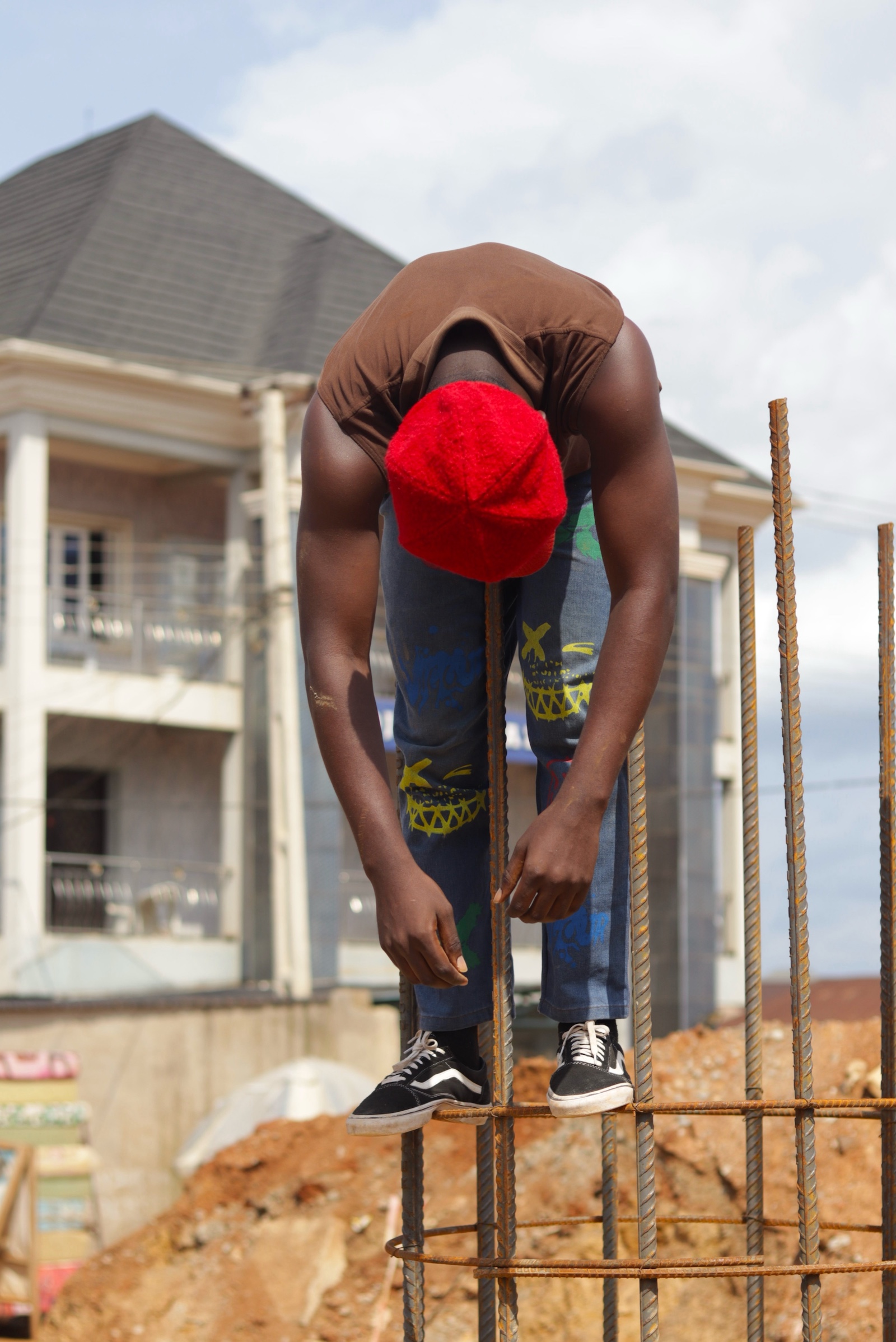
At the center of this curatorial vision is Obiajulu Ozegbe’s installation Kiss from a Booze, an original work that anchors the exhibition with its paradoxical symbolism of destruction and progress. Alongside works by Bankole Damilola, Noah Misan Okwudini, Prince Charles Uhunoma, and Edmund Boateng Akrofi, Ozegbe's piece sets the emotional and conceptual tone for the exhibition. Together, the artworks reveal how dispossessed communities resist through storytelling, ritual, and memory, refusing to let their displacement be the final chapter of their histories.
Obiajulu Ozegbe’s installation Kiss from a Booze offers a visceral meditation on the machinery of displacement. The bulldozer, he observes, is a paradox: celebrated by city planners as a symbol of modernization and development, yet feared by communities as the harbinger of erasure. With one soft press of its steel blade a "kissî entire families are uprooted, their homes shattered, their histories erased.
The work draws upon items salvaged from demolition sites fragments of wood, rusted corrugated iron, personal belongings, and 120 Jerry cans arranged in a way that invokes the spirits of the Machines themselves. Ozegbe's installation treats these objects not as debris but as silent witnesses to violence, carriers of memory, and storytellers in their own right.
The bulldozer becomes not merely a tool of construction but a machine of rupture, forcing viewers to confront the cost of development when it is built on dispossession. Ozegbe asks us to question: What is truly gained when "developmentî comes at the price of human dignity, memory, and belonging?
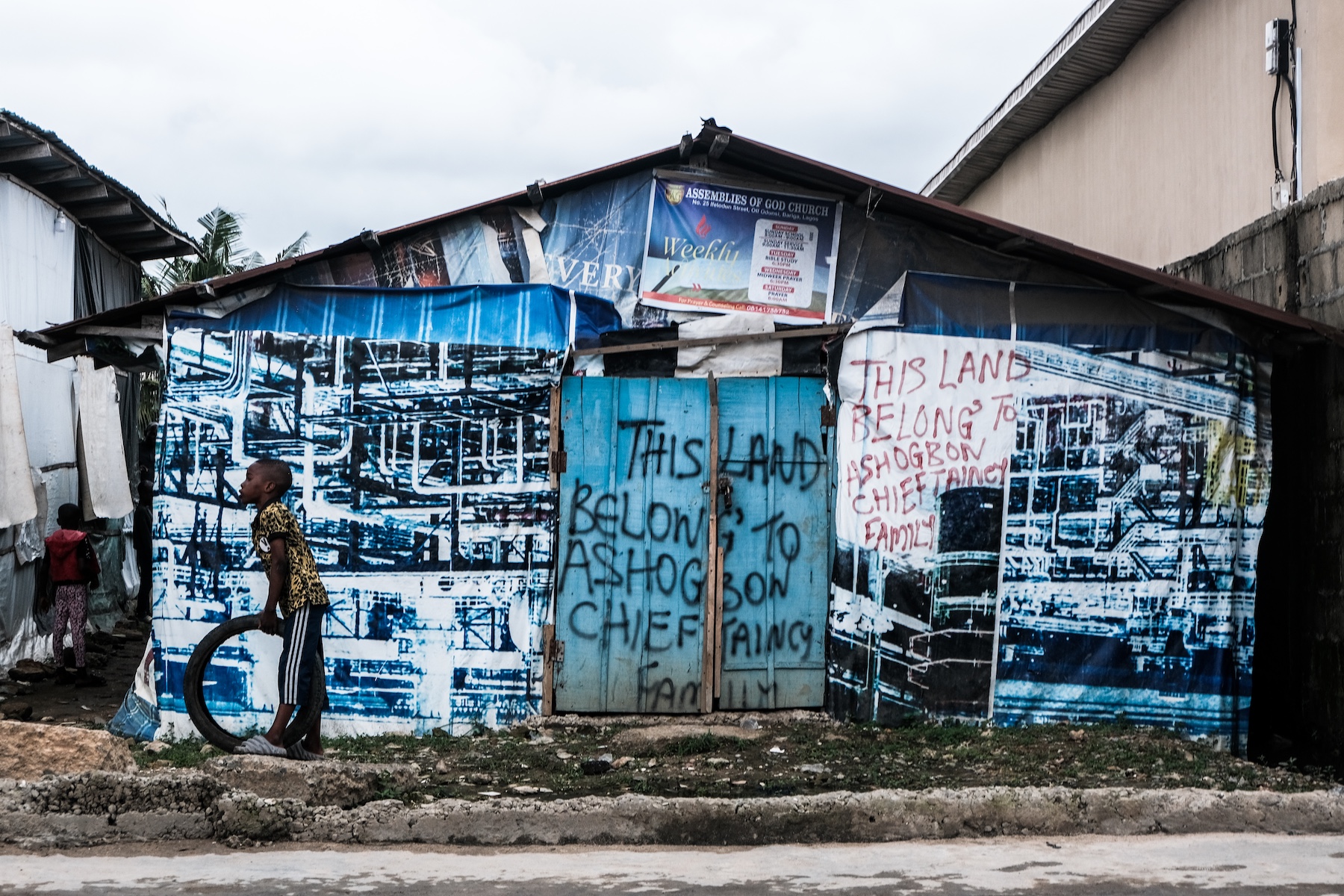
Bankole Damilola, This Land Is Not For Sale, 2025, Photography
Complementing Ozegbe's material testimony is the documentary photography and installation of Bankole Damilola, himself a resident of Oworonshoki at the time of the mass displacement. His project This Land Is Not for Sale merges stark documentary images of the demolition with roofing sheets inscribed with urgent warnings such as "Beware of 419î and "This House Is Not for Sale.î The photographs capture the raw human cost of displacement, particularly its toll on women and children, while the inscribed roofing sheets highlight the improvised systems of resistance communities deploy to assert ownership and belonging in contested landscapes. Damilola’s work resonates with The Other Order by exposing fragile but resilient systems of survival that operate outside of formal legal structures. His images disrupt hierarchies of authority and property, insisting that belonging is not defined by state documents or corporate contracts but by lived histories, ancestral ties, and communal solidarity.
Noah Okwudini, Sense of Playce, 2025, Sound and Installation
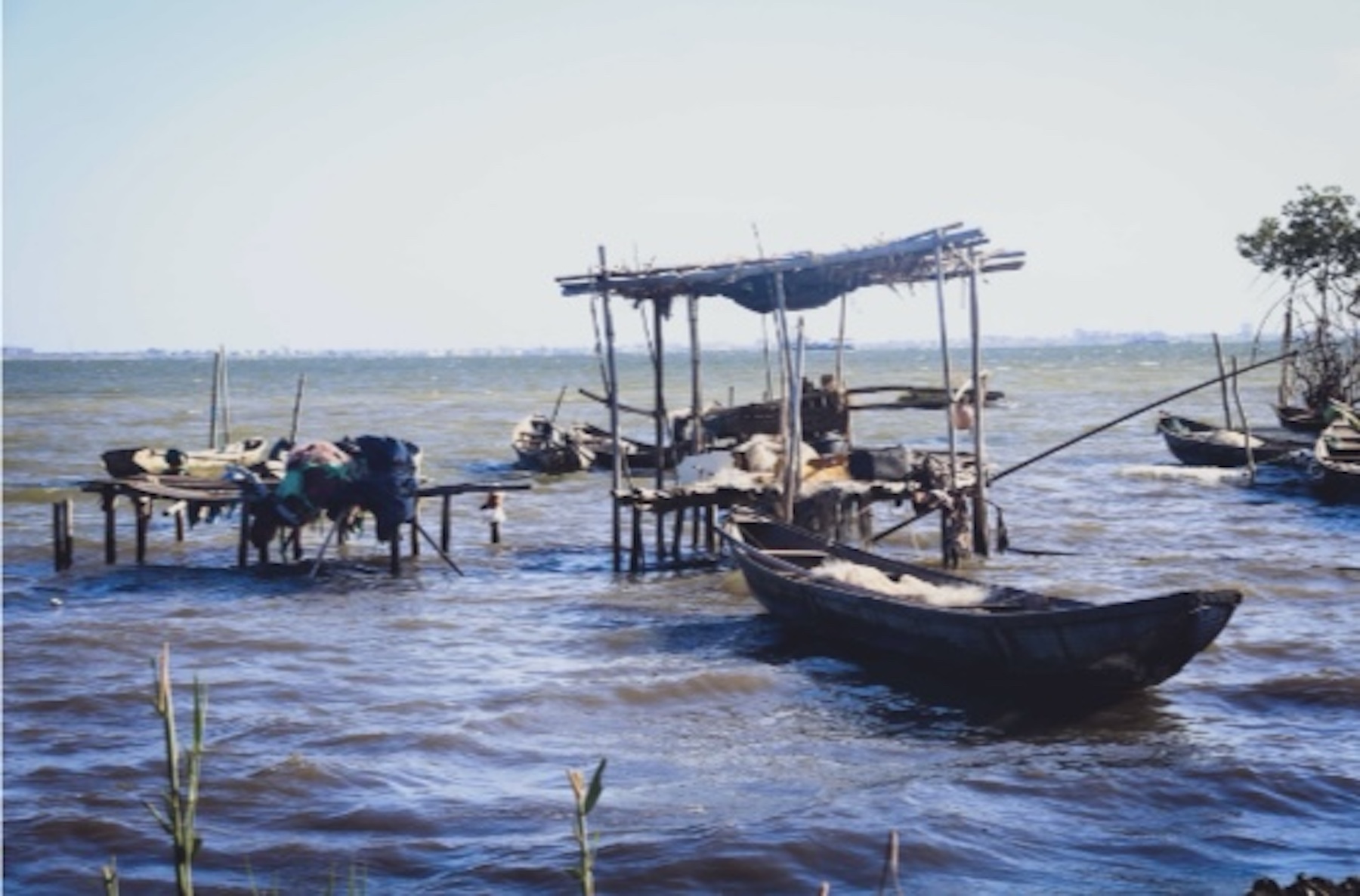
Noah Okwudini’s Sense of Playce is a multi-channel video, installation and sound work that observes children playing across coastal spaces in Lagos and Dar es Salaam. It unfolds as a disjointed narrative, questioning what happens to children's memories and attachments when they are displaced.
It also invites reflection on how we relate to these shifting coastal environments.
Filmed in places shaped by land grabbing, sand mining, and environmental change, the work follows moments of movement, and shared play. Across both cities, it traces how land and water remain connected bodies, continually shaping and reshaping each other. Within these shifting conditions, play becomes a way to form connections, even as the ground and water beneath them remain uncertain.Visual and audio glitches and interruptions further fracture space and time, breaking fixed perceptions.
Blending real moments with enacted sequences that are themselves acts of play, this layering echoes the fractured, provisional nature of the coastal spaces and experiences depicted.
Sense of Playce lingers with moments of play as they unfold, where bodies, land, and water move together, holding memories that may no longer have stable ground to remain.
Prince Charles Uhunoma, The Land in a shell, 2025, Film
Prince Charles Uhunoma contributes a speculative dimension with his video installation Land in a Shell. Drawing on the mythological creation stories of the Benin people, Uhunoma juxtaposes embodied performance and archival materials to interrogate the modern logic of land ownership. In this speculative world, the shell becomes both a symbol of origin and a metaphor for enclosure, questioning who truly "ownsî land and at what cost. By staging this mythological lens against contemporary realities of displacement and gentrification, Uhunoma reveals the dissonance between ancestral understandings of land as communal inheritance and modern conceptions of land as commodity. His installation synthesizes past and present, inviting viewers to imagine more humanist futures where land is not simply a tradable asset but a shared space of belonging.
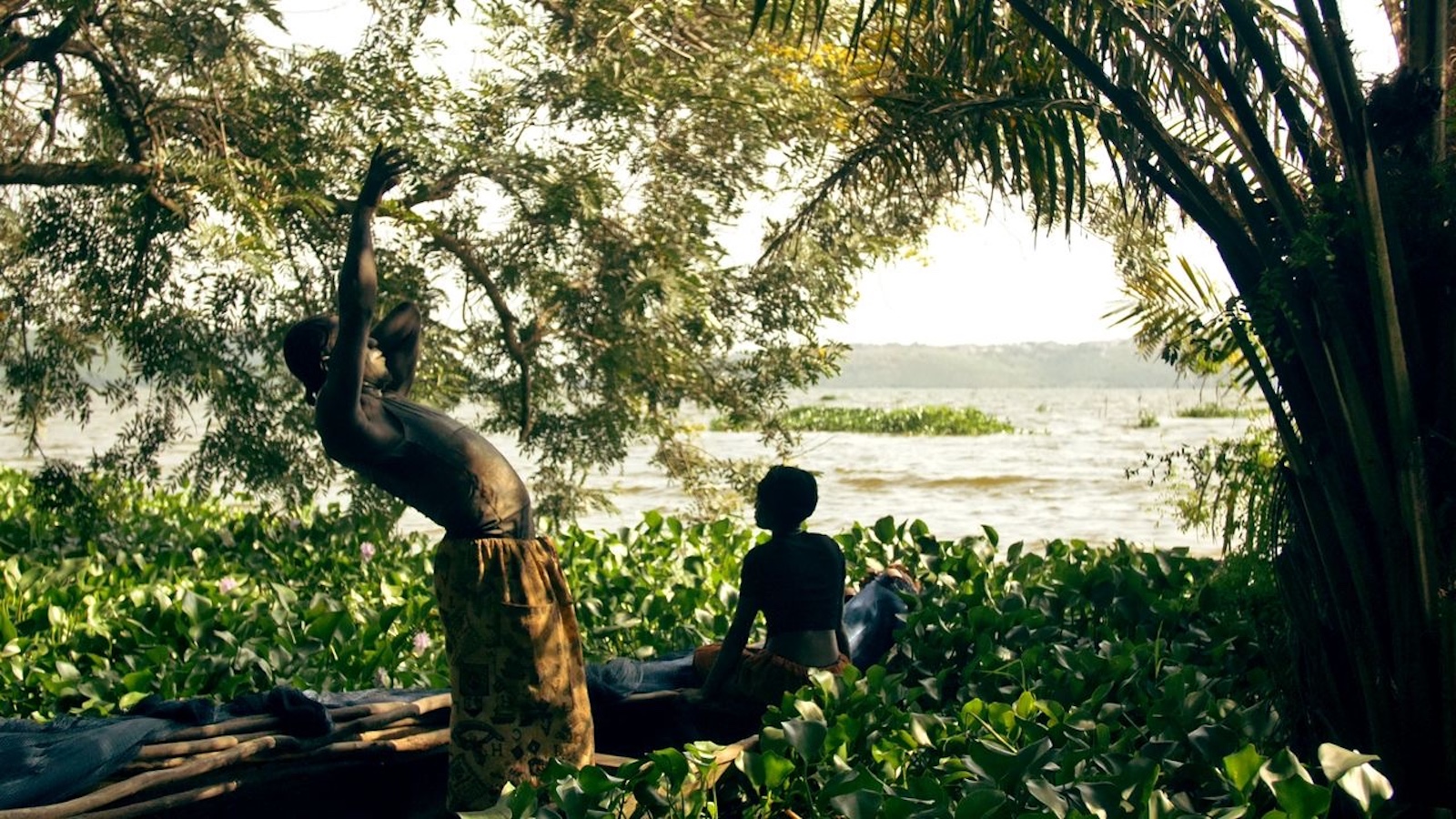
Edmund Akrofi Boateng, Beyond Trust Dirt, 2025 Film and Performance
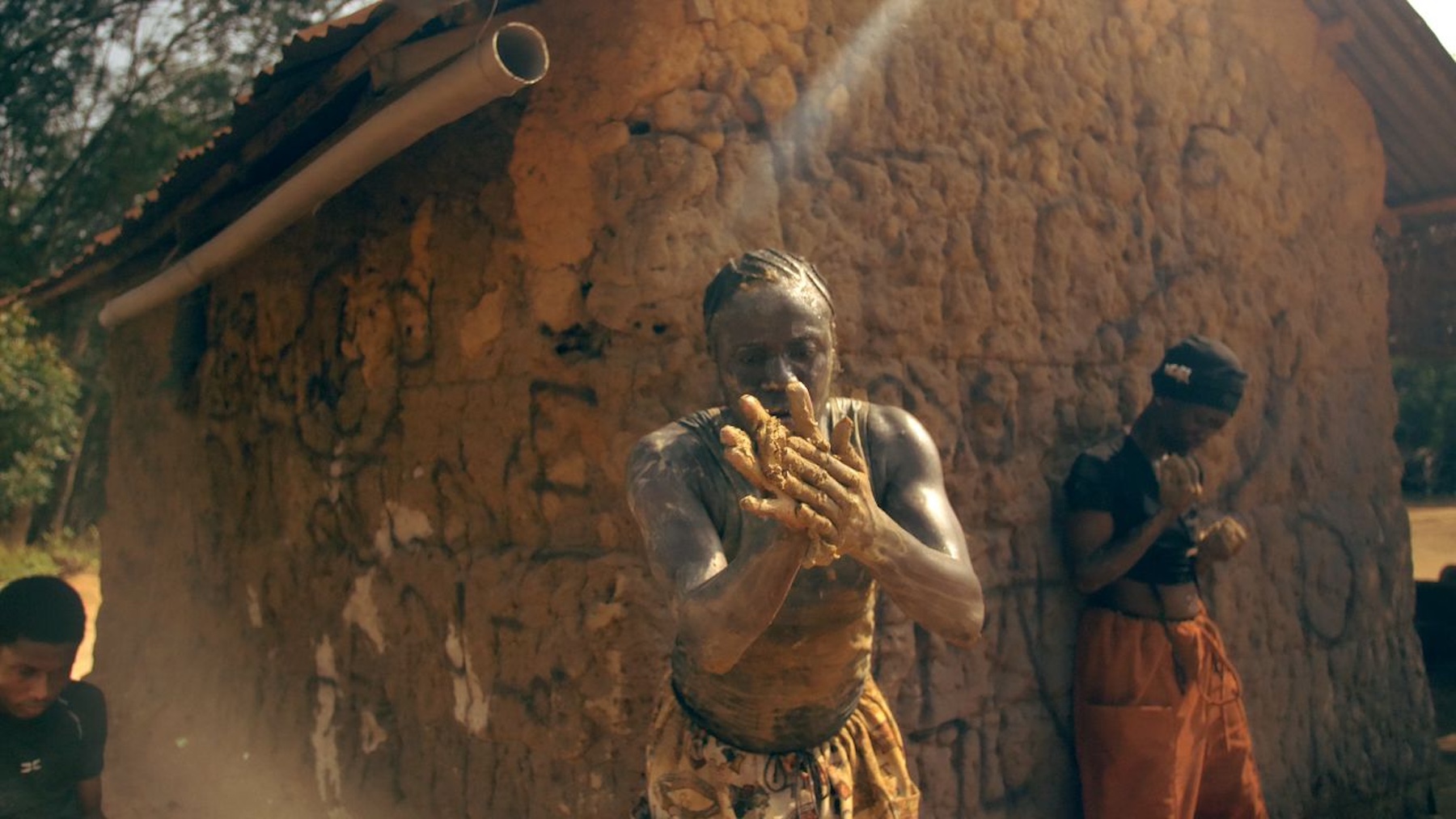
Edmund Boateng Akrofi’s Film and performance piece Beyond Trust Dirt extends the conversation beyond Nigeria into the broader African context. Drawing from Ghanaian histories of colonial and postcolonial land policies, the performance reflects on how communal land ownership was fractured, spiritual ties severed, and ancestral trust commodified. Through embodied movement, Akrofi asks what remains in the body when land is taken not just physically but ritually, when the severing of soil from spirit leaves invisible scars. His performance exposes the buried logics of dispossession, those silent orders that reorder lives and histories without consent. By staging the body as archive, Akrofi unearths what "other ordersî attempt to erase, insisting that memory and ritual survive even in displacement.
Taken together, the works in The Other Order weave a dense tapestry of testimony, resistance, and imagination. Ozegbe's bulldozer installation foregrounds the violence of displacement; Damilola's photography bears witness to its human cost; Okudini's sound installation reclaims memory through sonic architecture; Uhunoma's video situates land struggles within myth and speculation; and Akrofi's performance unearths the spiritual ruptures of dispossession.
Edmund Akrofi Boateng, Beyond Trust Dirt, 2025, Film and Performance
The exhibition's title The Other Order itself speaks to the layered hierarchies at play. On one level, it critiques the state's imposition of "orderî through demolitions, evictions, and gentrification. On another, it highlights the alternative systems of belonging and justice that communities create in response. These "other ordersî are not simply acts of resistance; they are ways of imagining futures outside of dispossession, where memory, ritual, and solidarity form the foundations of belonging.
To conclude, The Other Order is not merely an exhibition but a call to conscience. It challenges viewers to confront the cost of land grabbing and displacement, not as abstract political issues but as lived human tragedies. Through sound, image, installation, performance, and storytelling, the participating artists humanize the statistics, transforming them into voices, memories, and presences that cannot be erased. At its heart, the exhibition insists that progress without justice is hollow, that modernization at the cost of human dignity is not progress but rupture. By invoking memory, myth, and ritual, The Other Order resists erasure and insists on belonging, asking audiences to imagine a world where development does not displace but sustains, and where the earth is not commodified but shared.