
Use your up, down, left, and right keys, or click within to navigate.
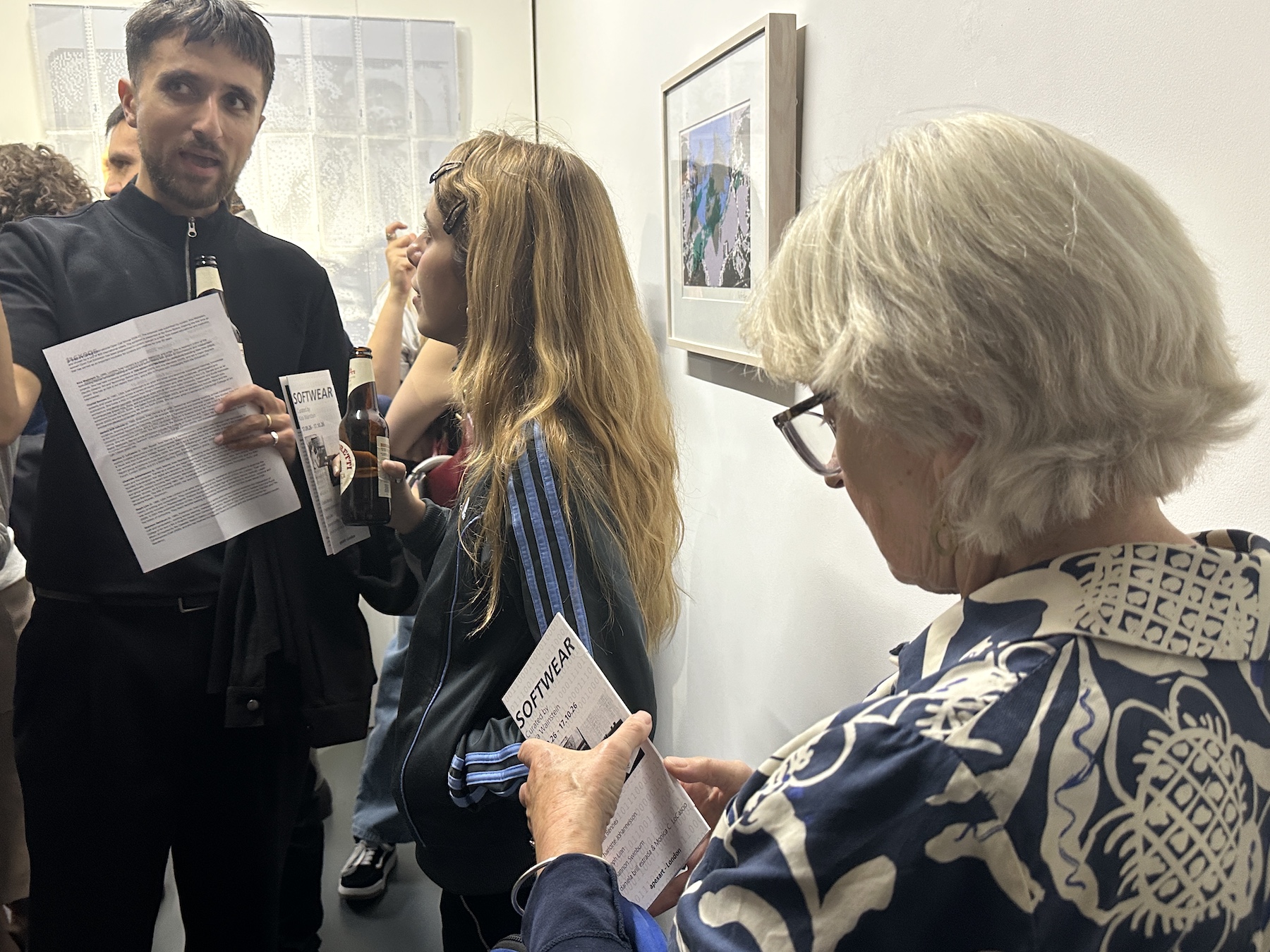
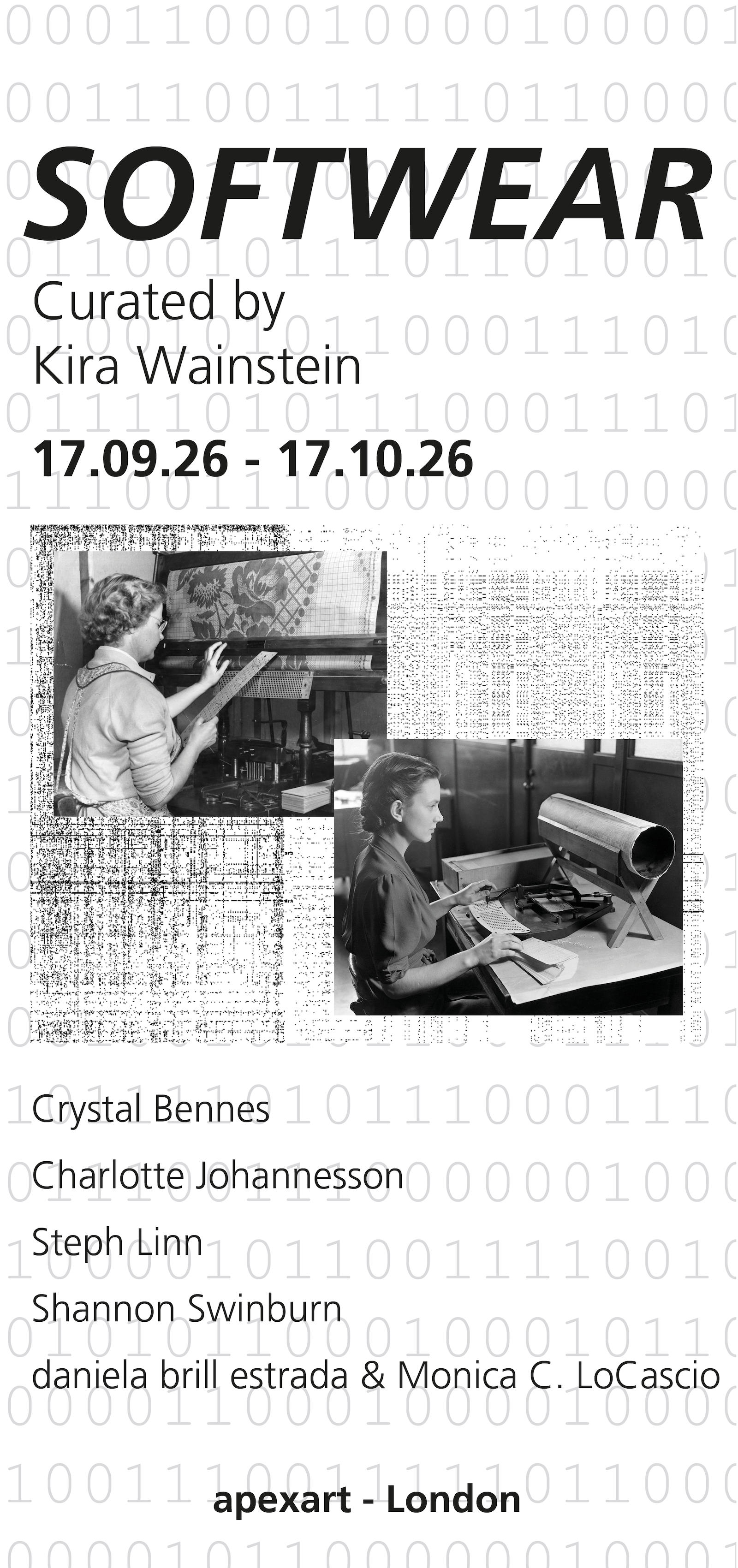
Crystal Bennes - daniela brill estrada & Monica C. LoCascio - Charlotte Johannesson - Steph Linn - Shannon Swinburn
This text was submitted as a proposal to the apexart INTL26 Open Call
Looms ran on binary code over a century before computers.
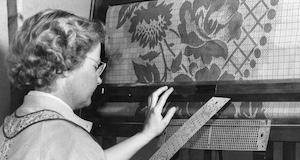
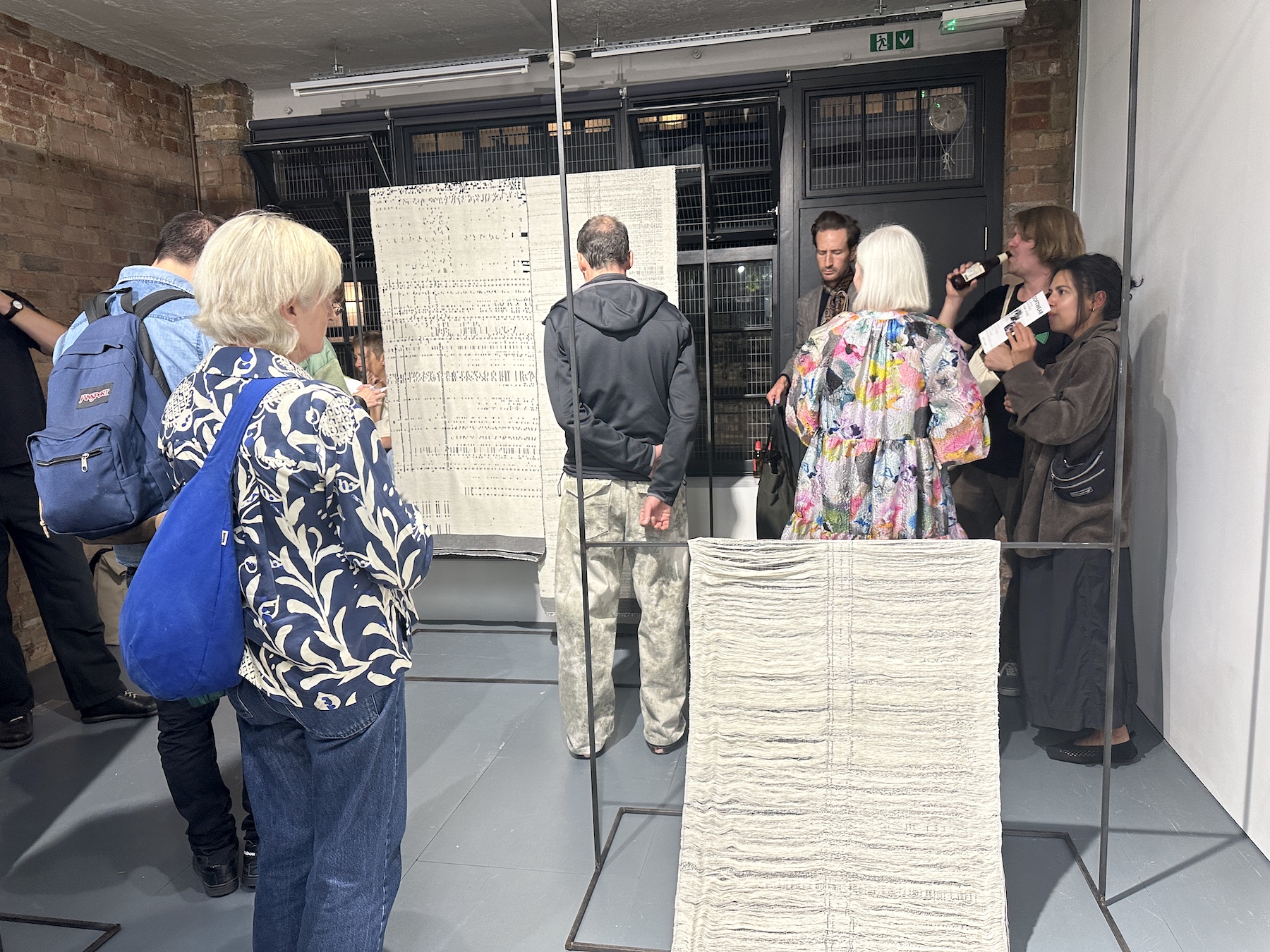
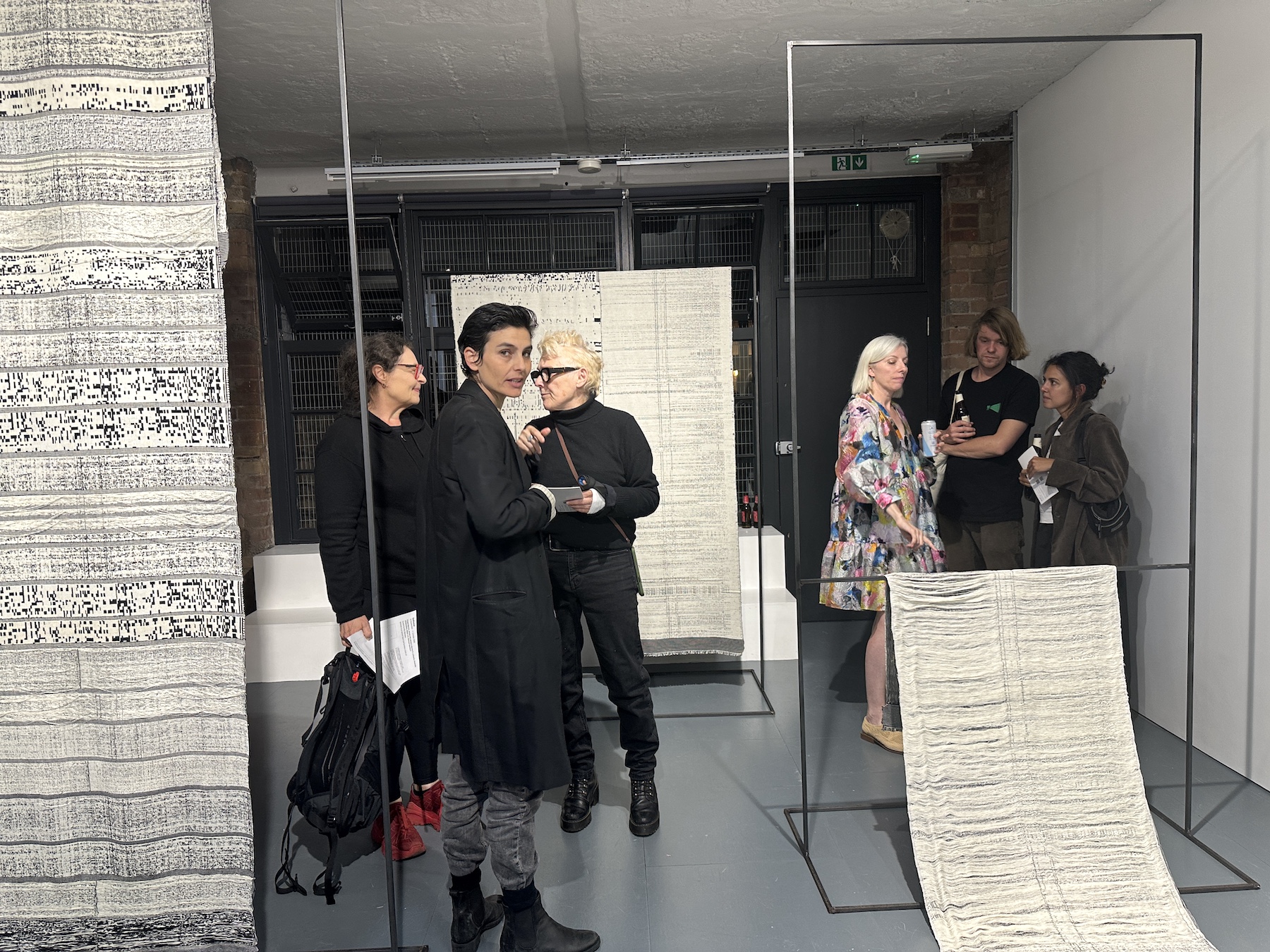
In 1804, the Jacquard loom revolutionised weaving by using punched cards to automate textile production. The code stored in the holes of the cards allowed complex images to be programmed into fabric. This foundational logic of computers was first harnessed not by scientists or engineers, but by weavers. Many decades later, the punch-card system was essential in the development of early computers, translating data and instructions into a language that could be read by digital machines.
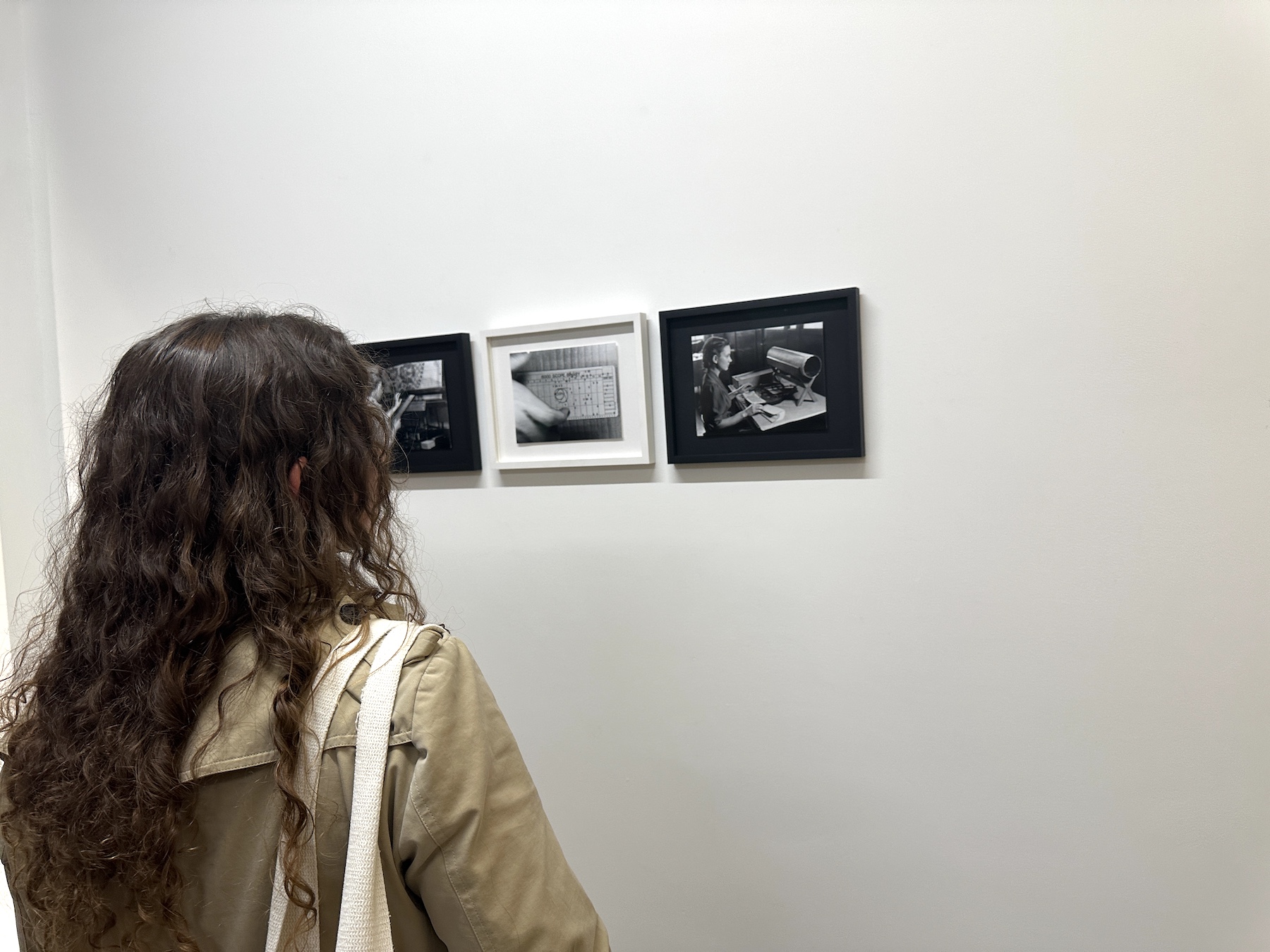
Like weaving, the history of computers is built on manual, precise, and often gendered labour. Before the development of digital computers, women were employed as "human computers" to calculate mathematical problems by hand in a range of fields including aeronautics and astronomy.
Code, labour, and women have defined the histories of both textiles and computation.
Artists have mined these interconnected fields since as early as the 1970s. Beryl Korot's Text and Commentary (1976-77) integrates video and textiles, emphasising the shared logic of weaving and encoded information. Samia Halaby's Weavings (1987) uses early personal computing to create abstract, patterned moving image, bringing the logic of weaving into digital space. Marilou Schultz's depictions of microchips, which she has woven since the 1990s, recall the history of Indigenous labour in the manufacturing of electronics.
In recent years, the dialogue between weaving and computation has exploded in contemporary artistic practice, reflecting a simultaneous interest in algorithmic logic and a move to reclaim materiality and the handmade in our increasingly digital world.
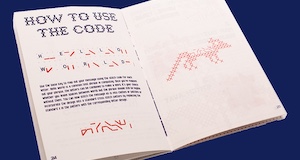
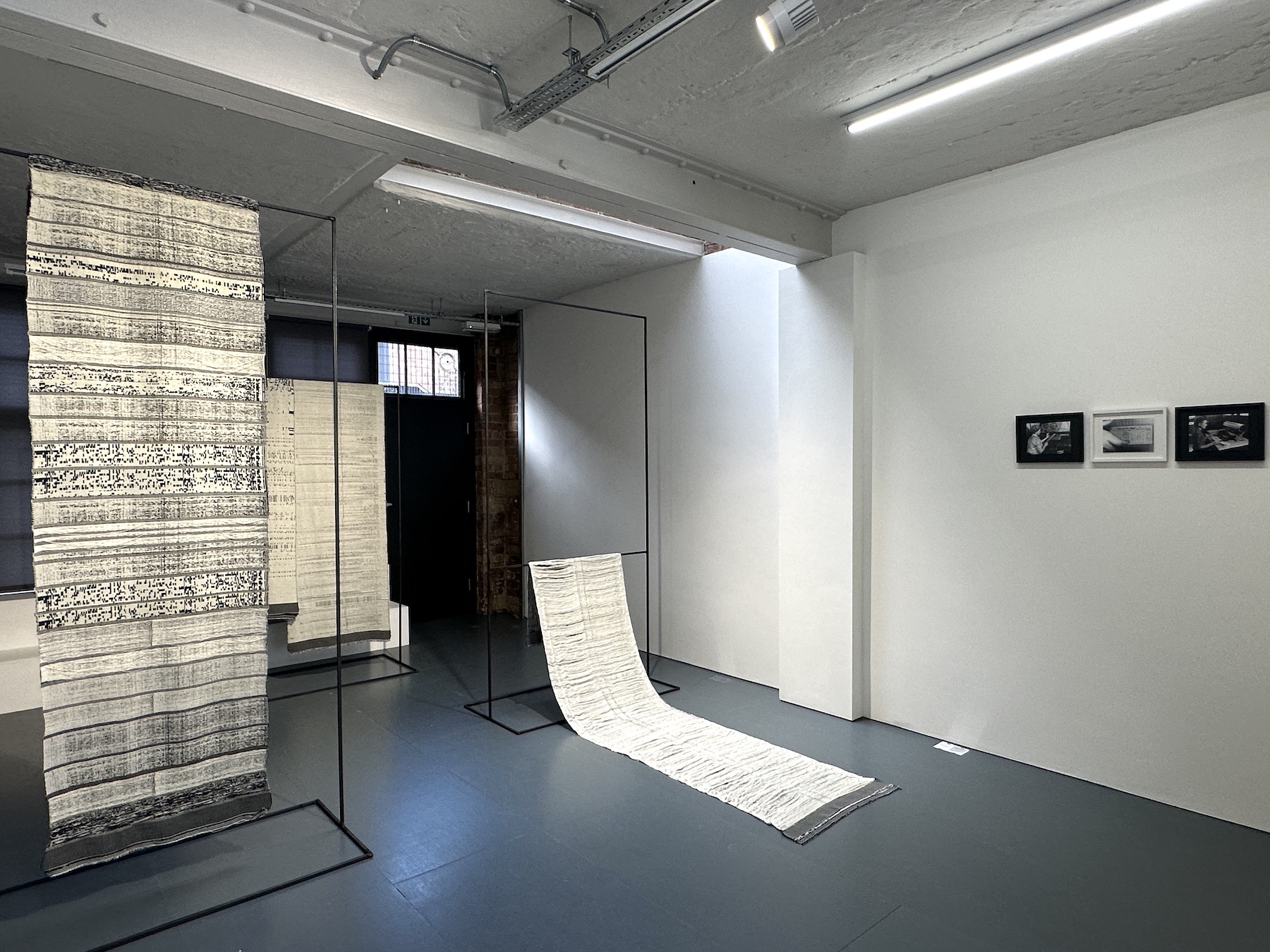
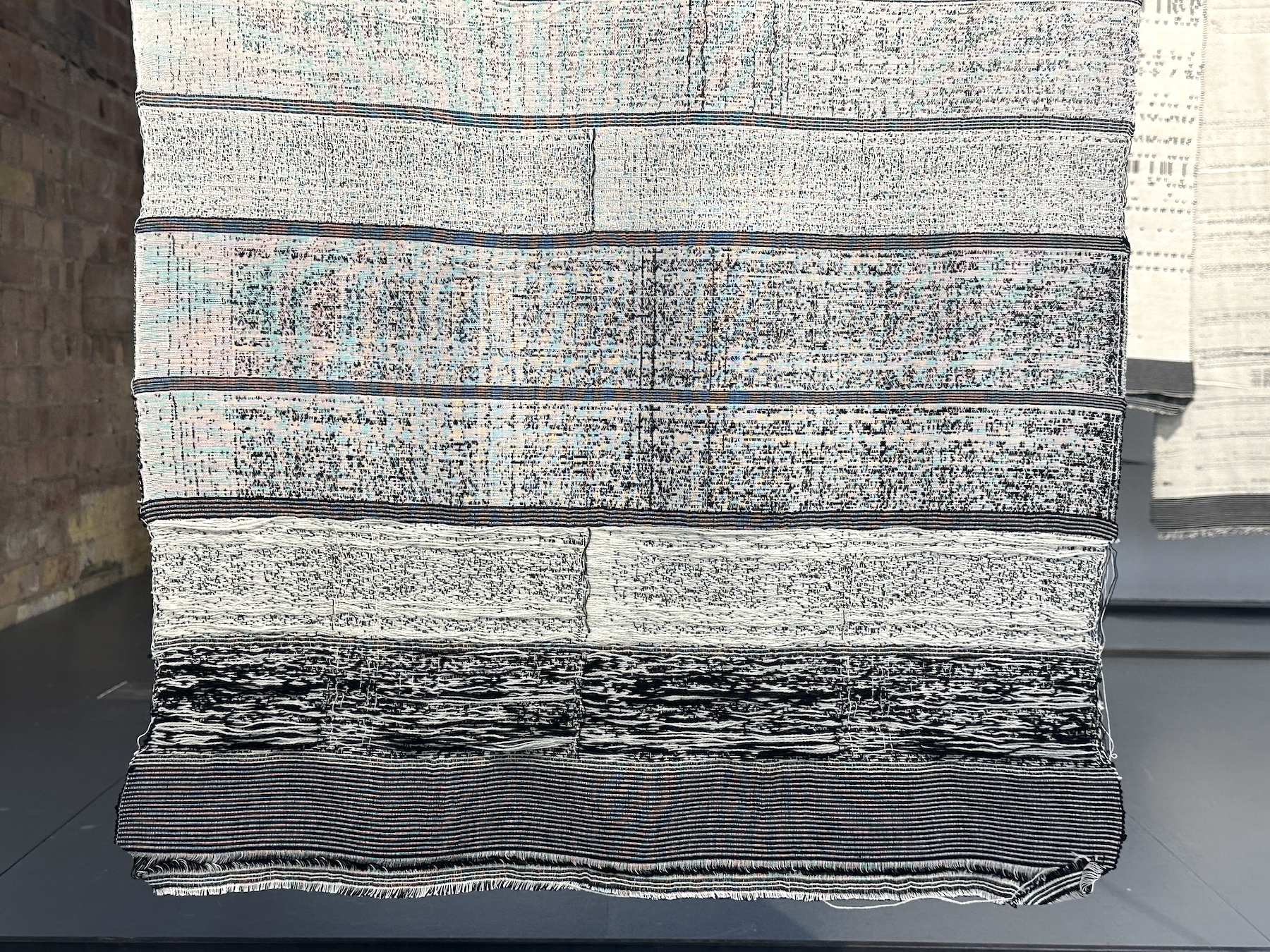
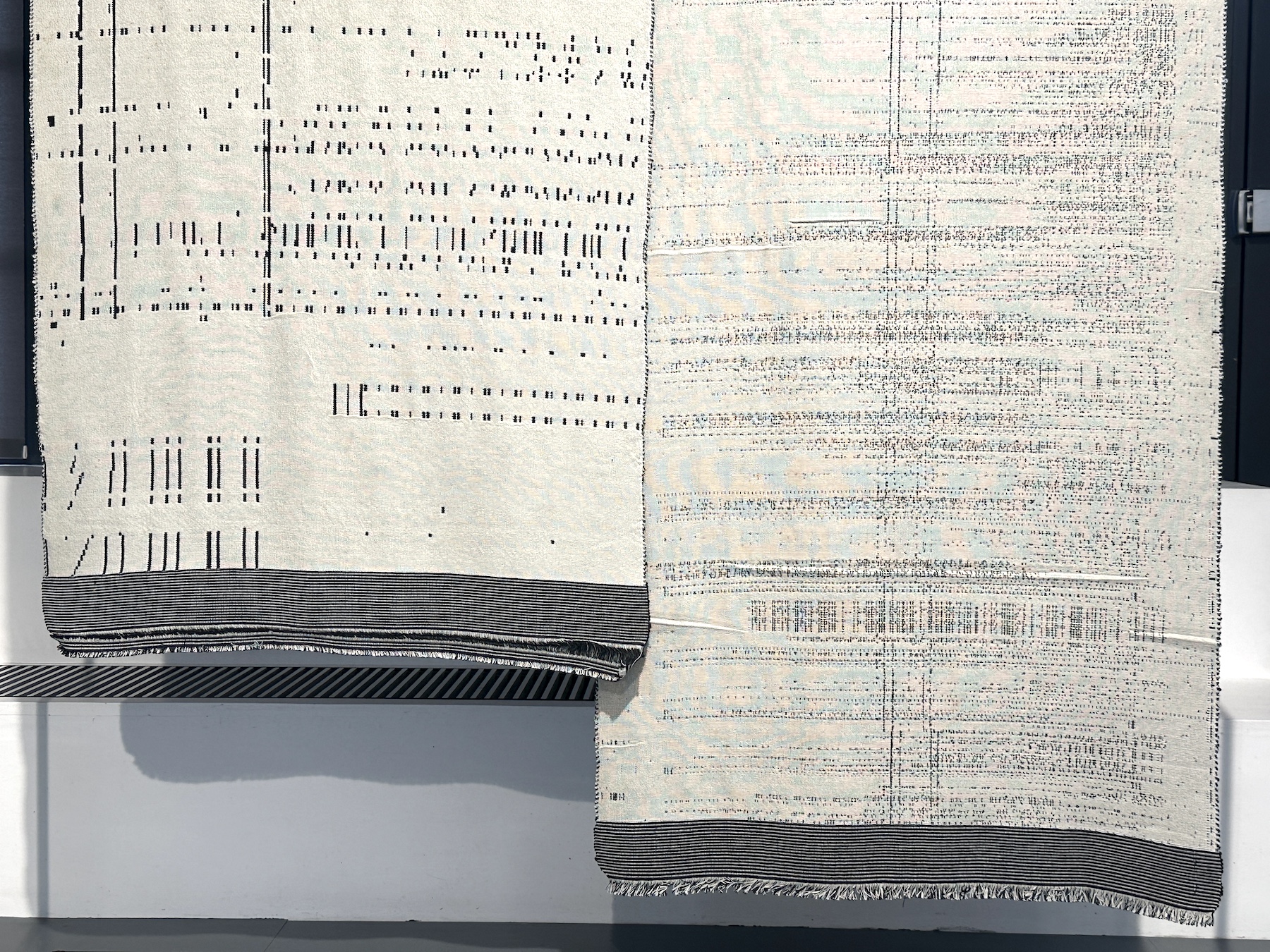
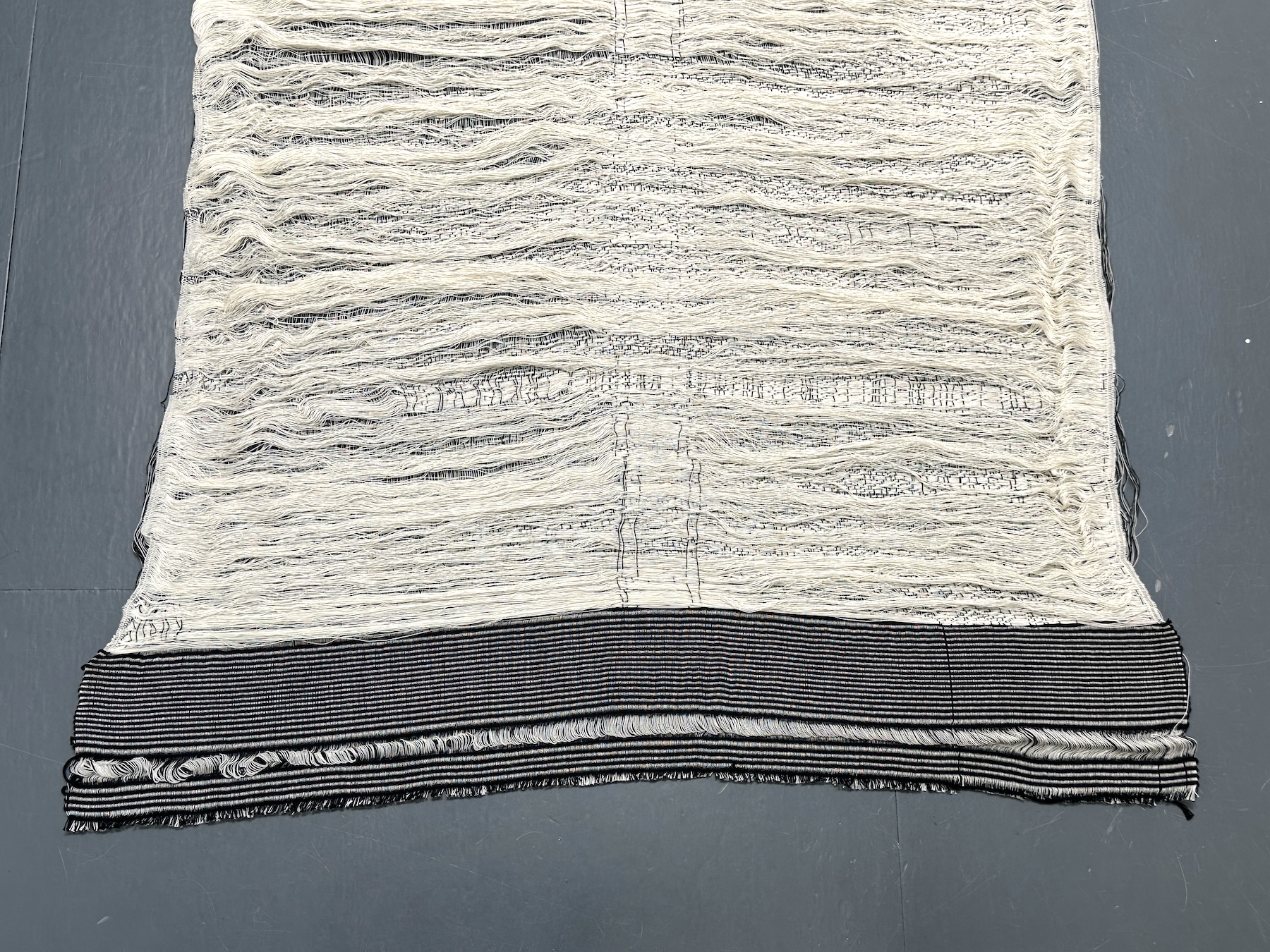
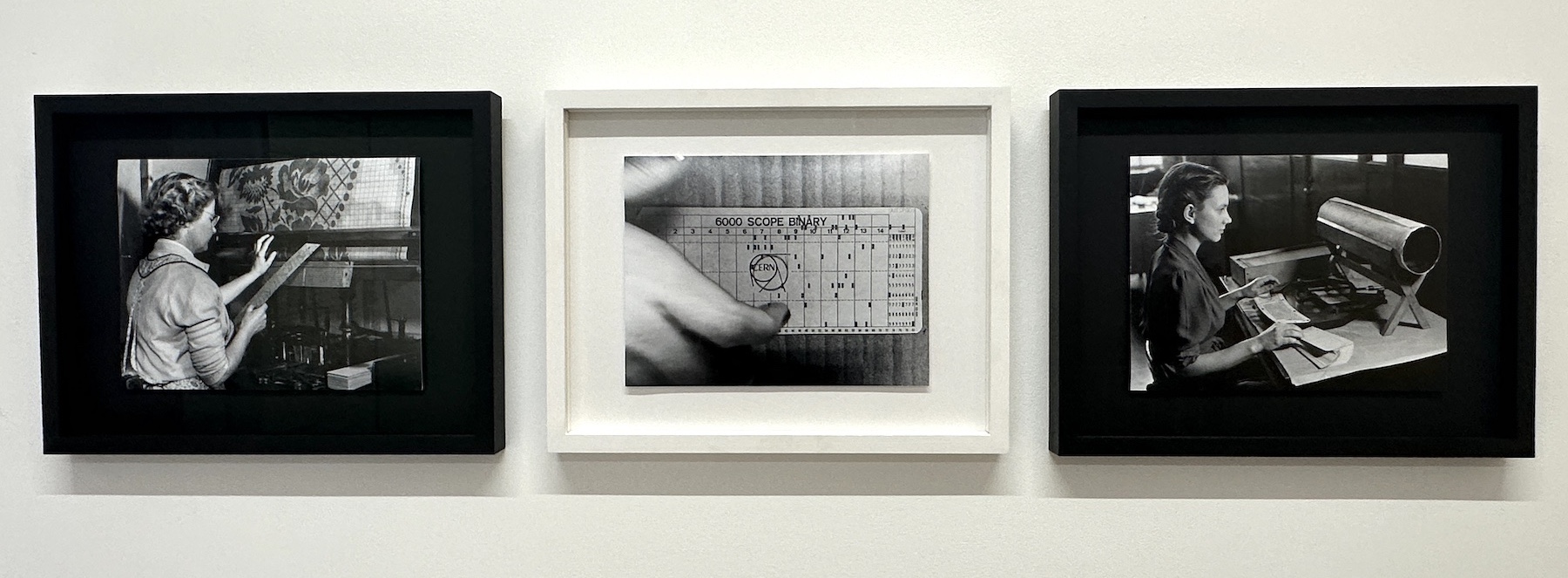
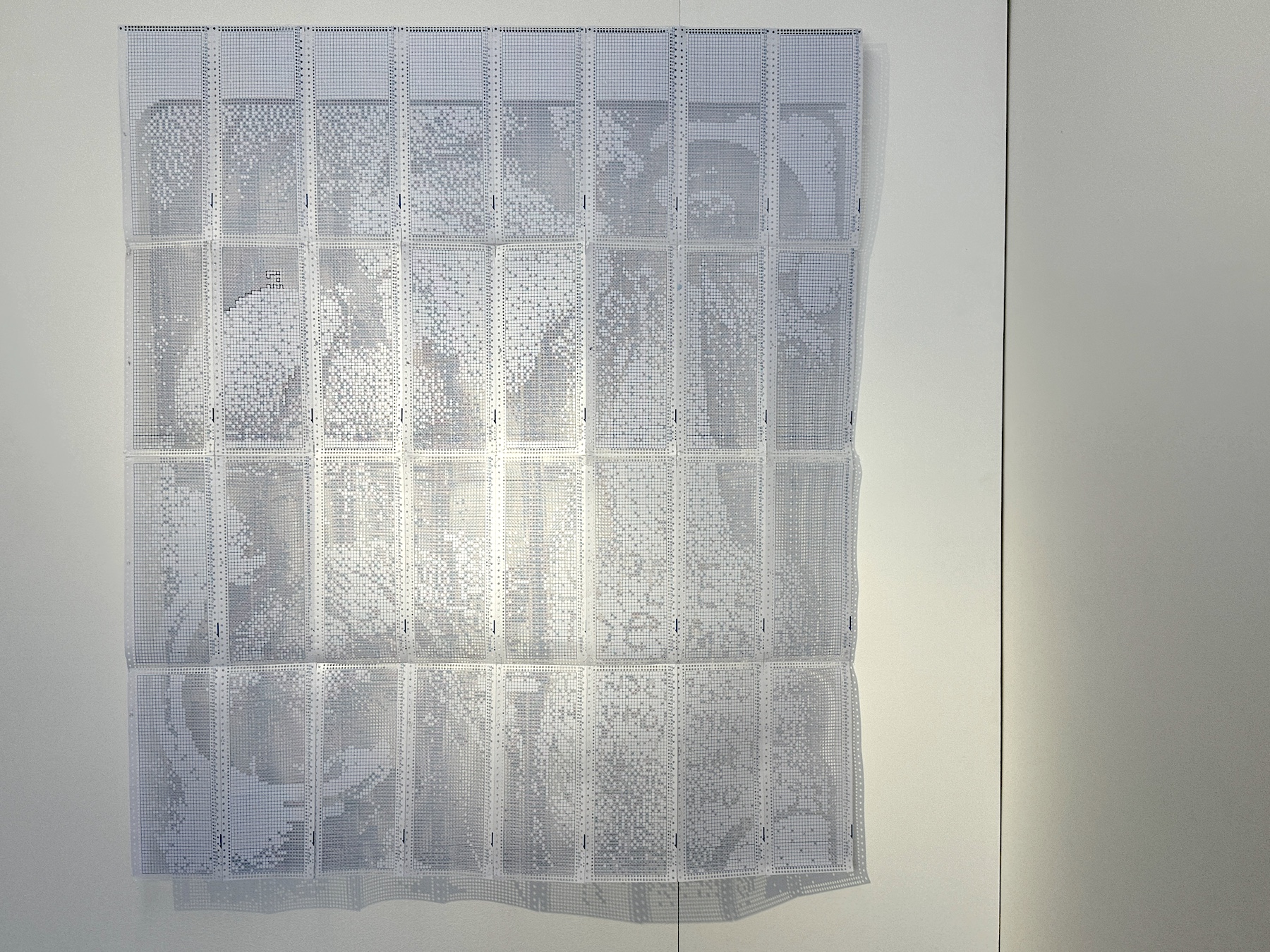
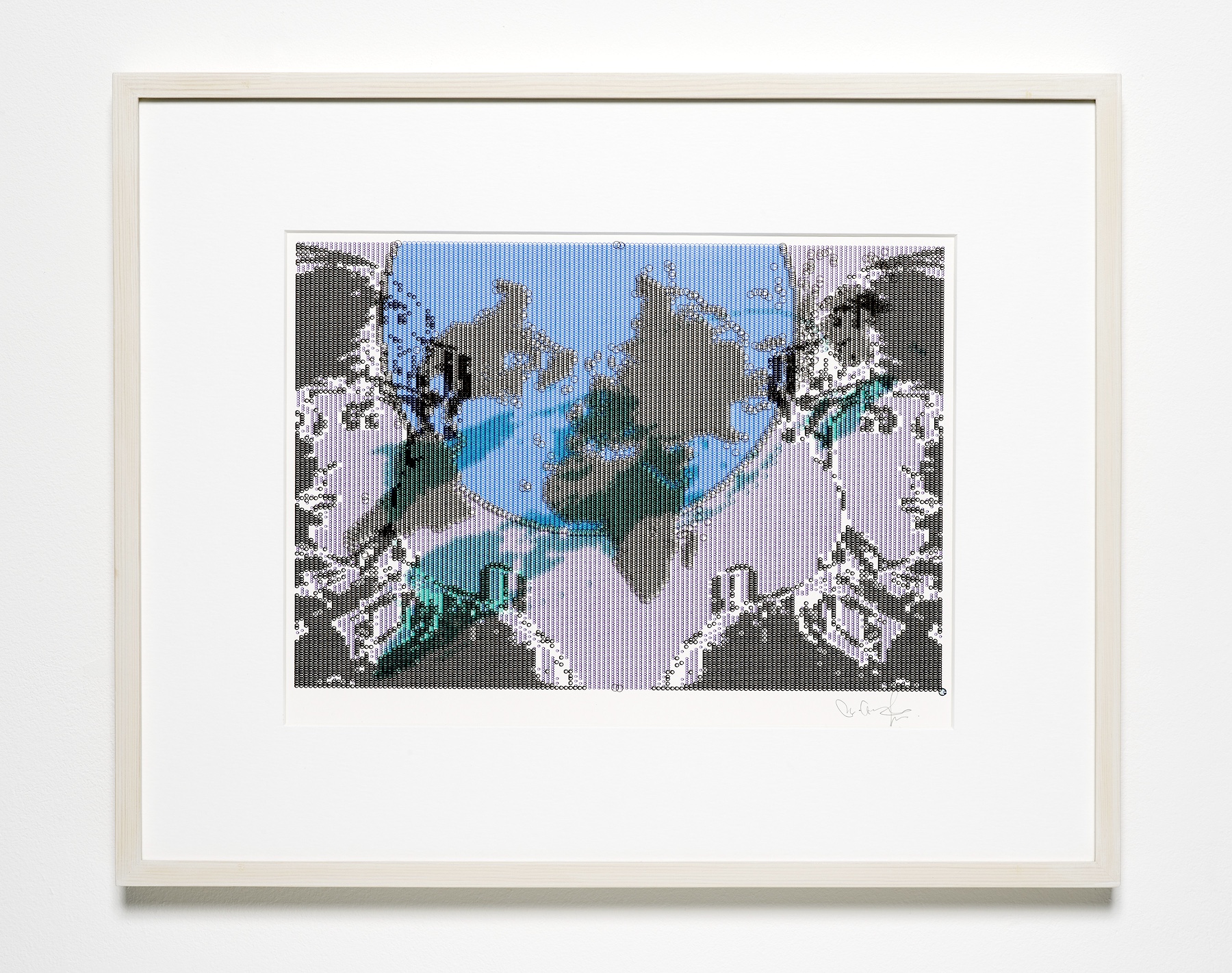
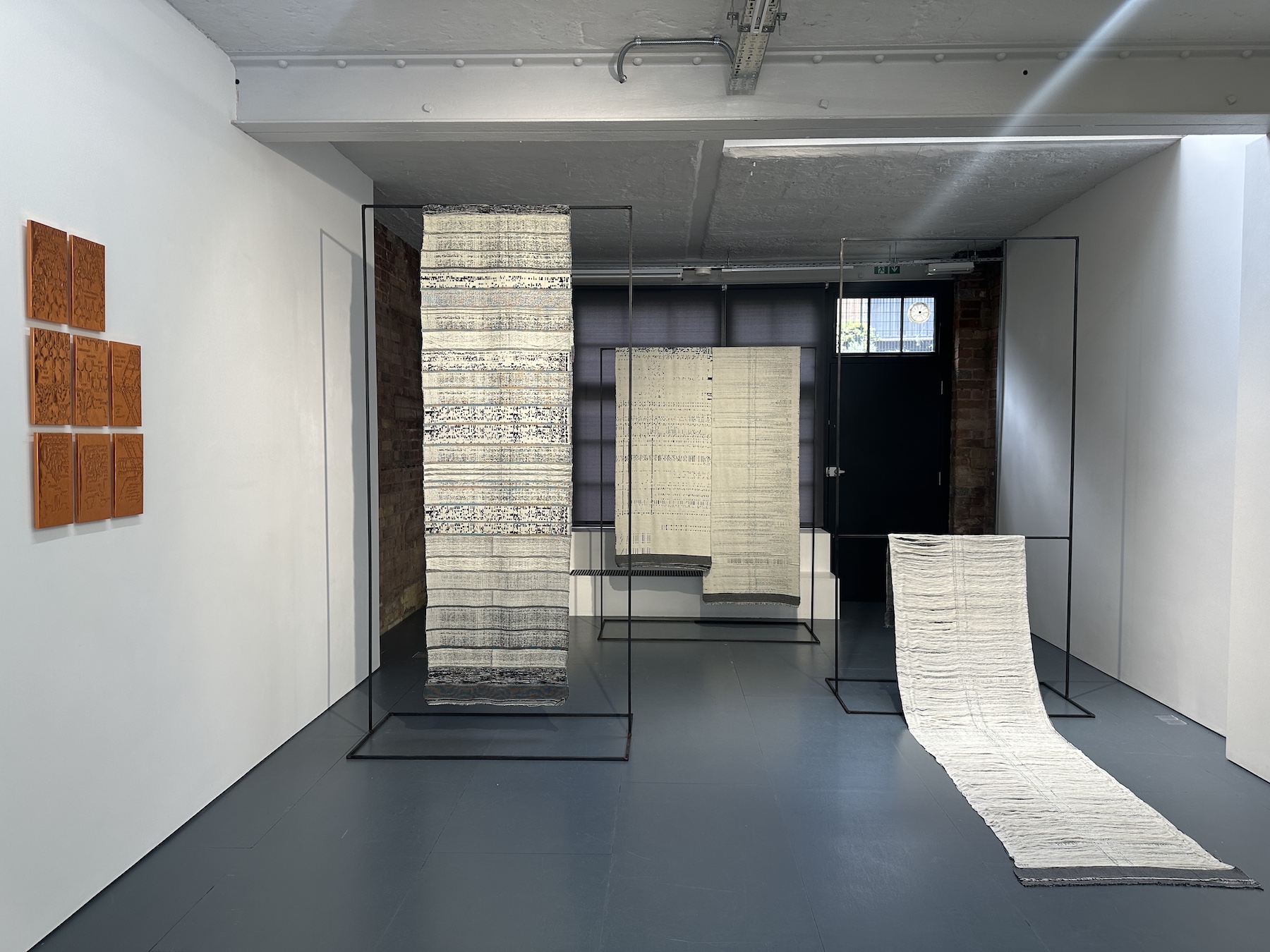
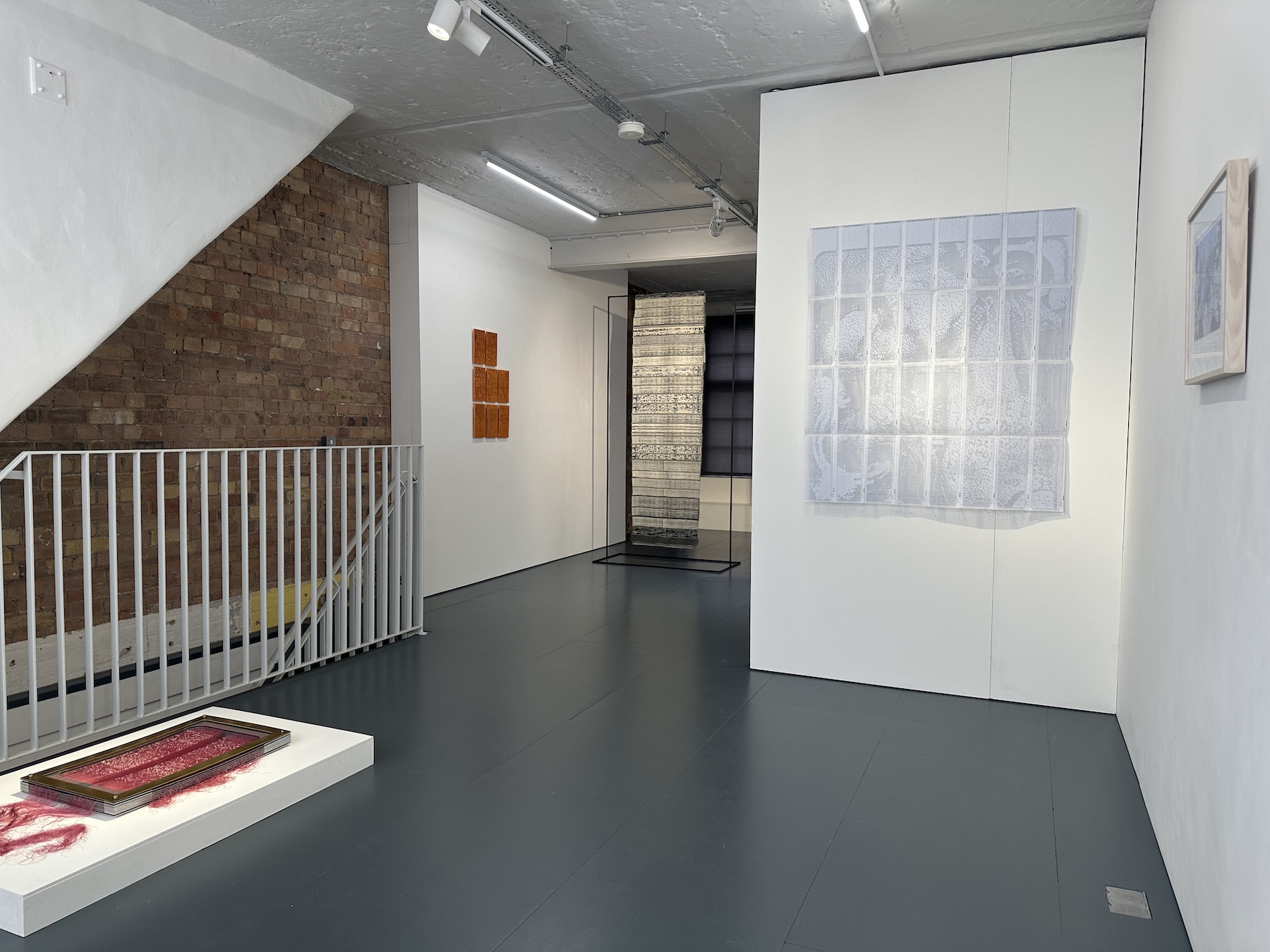
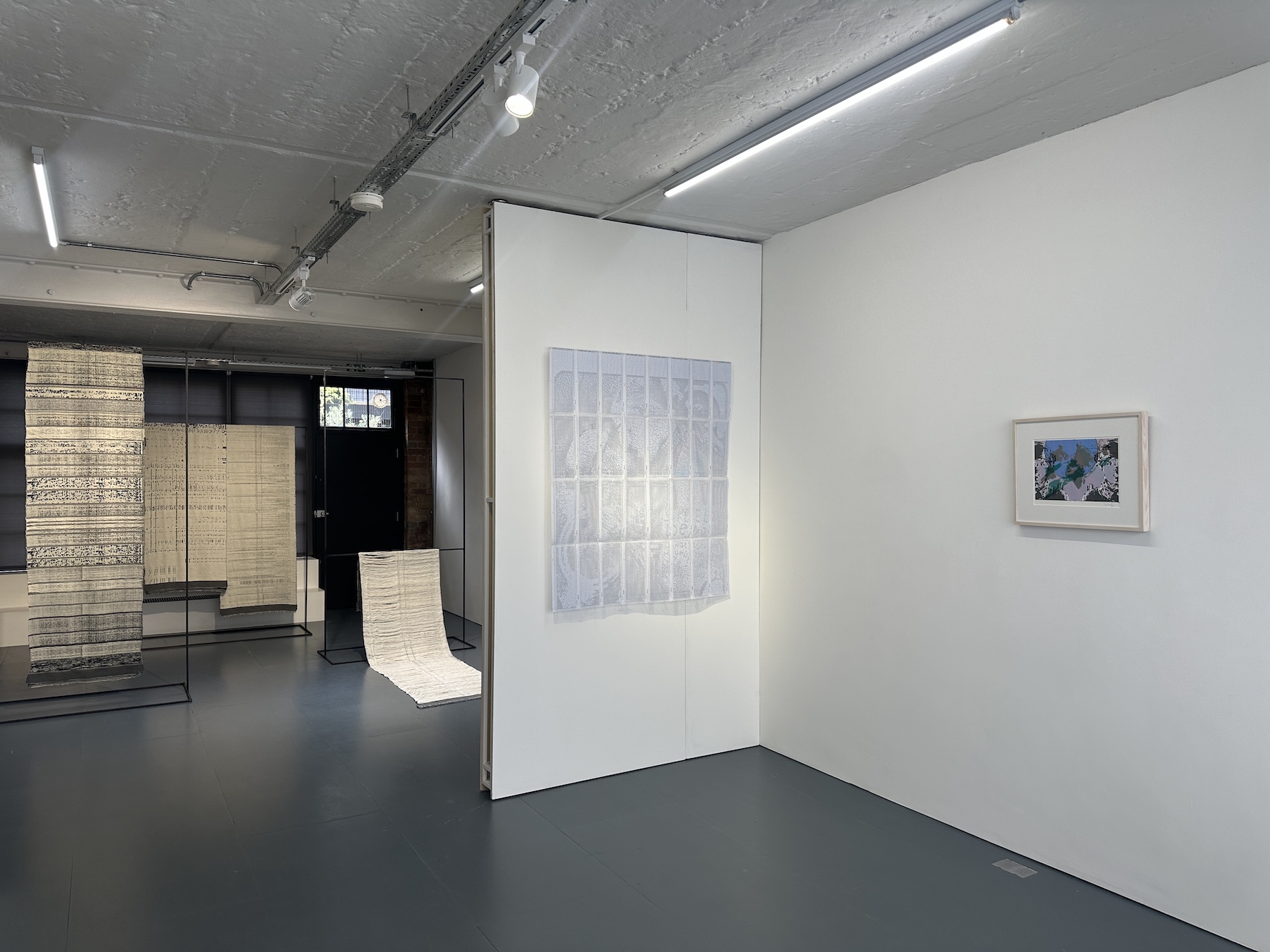
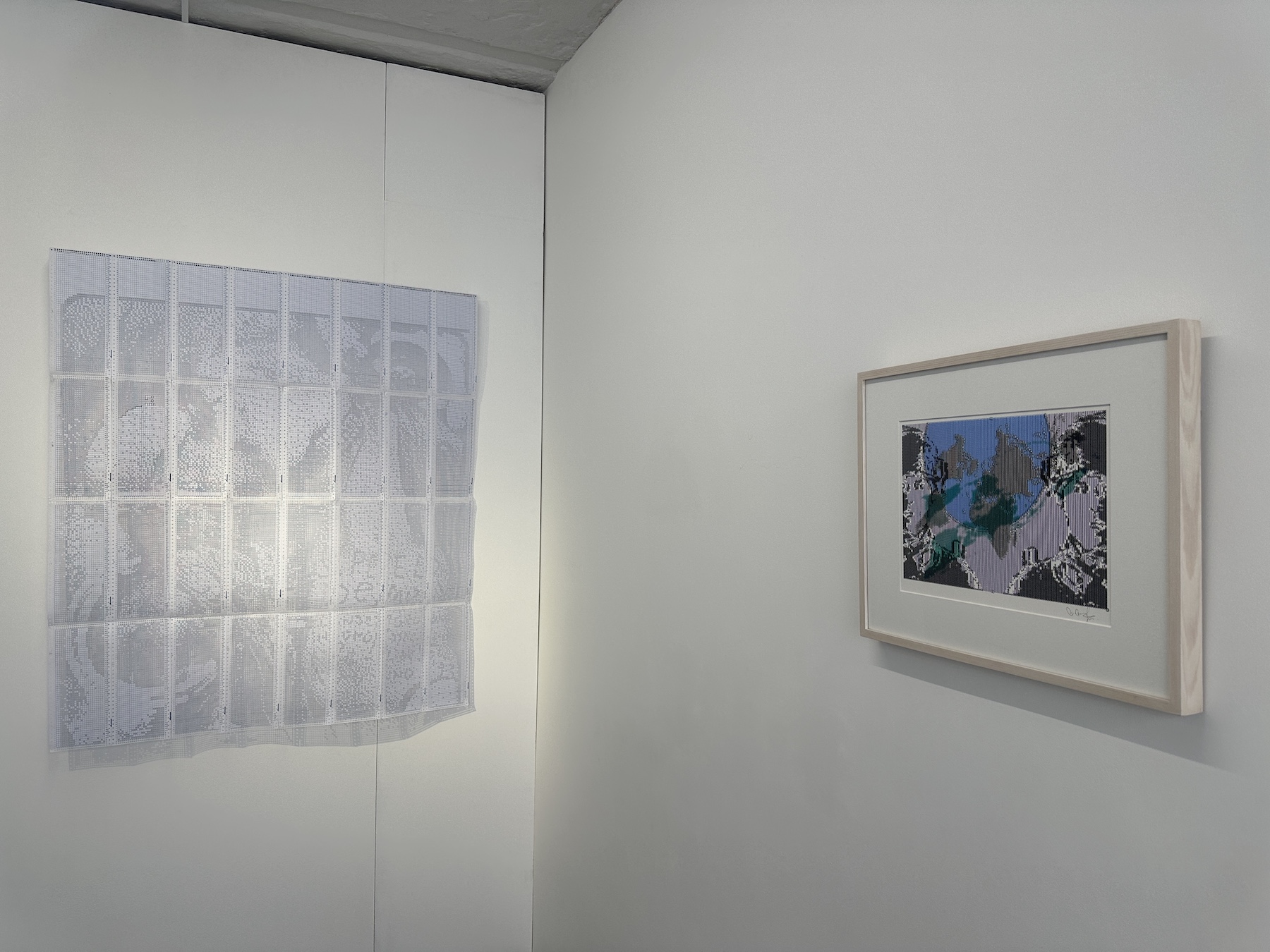
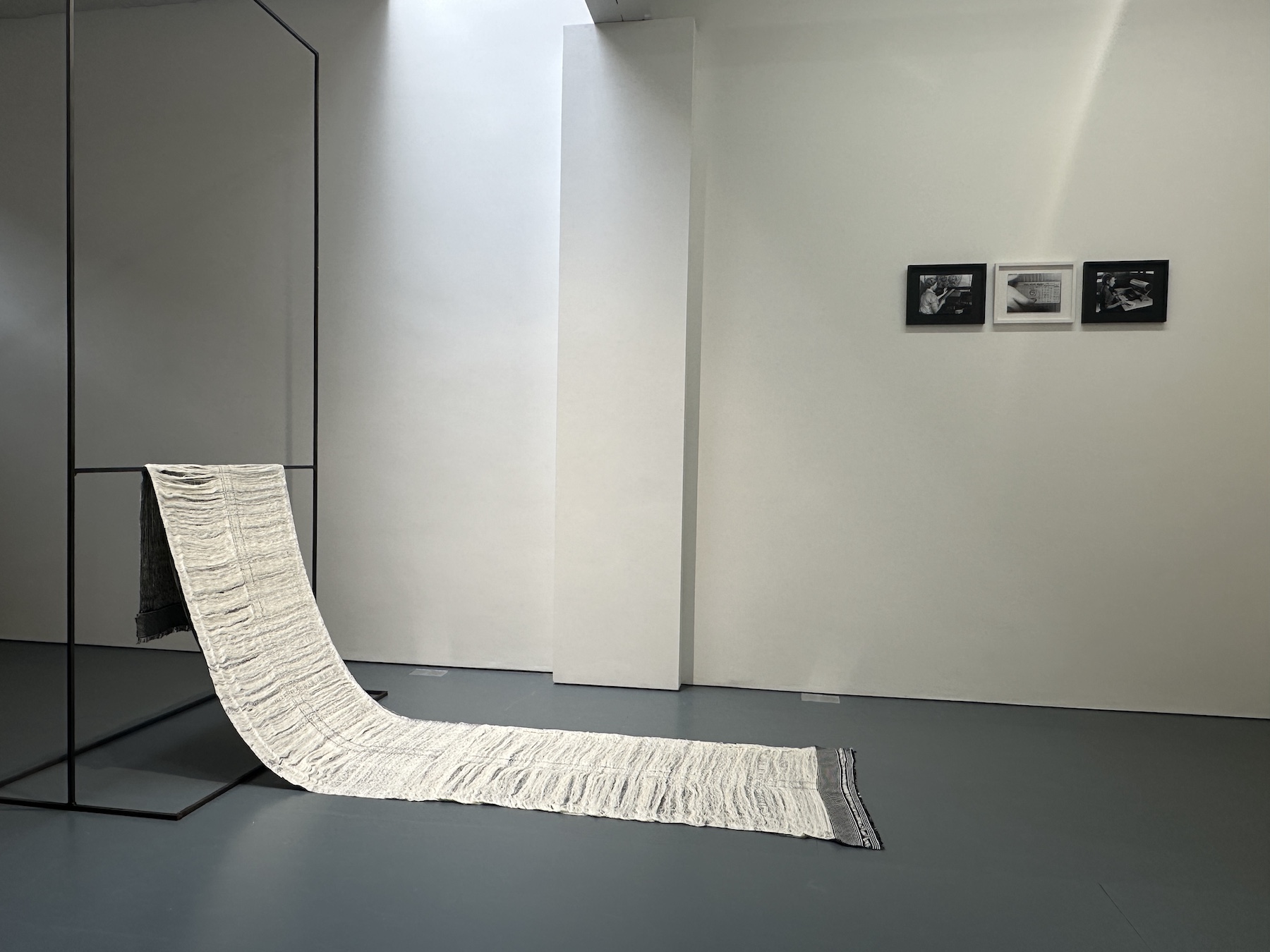
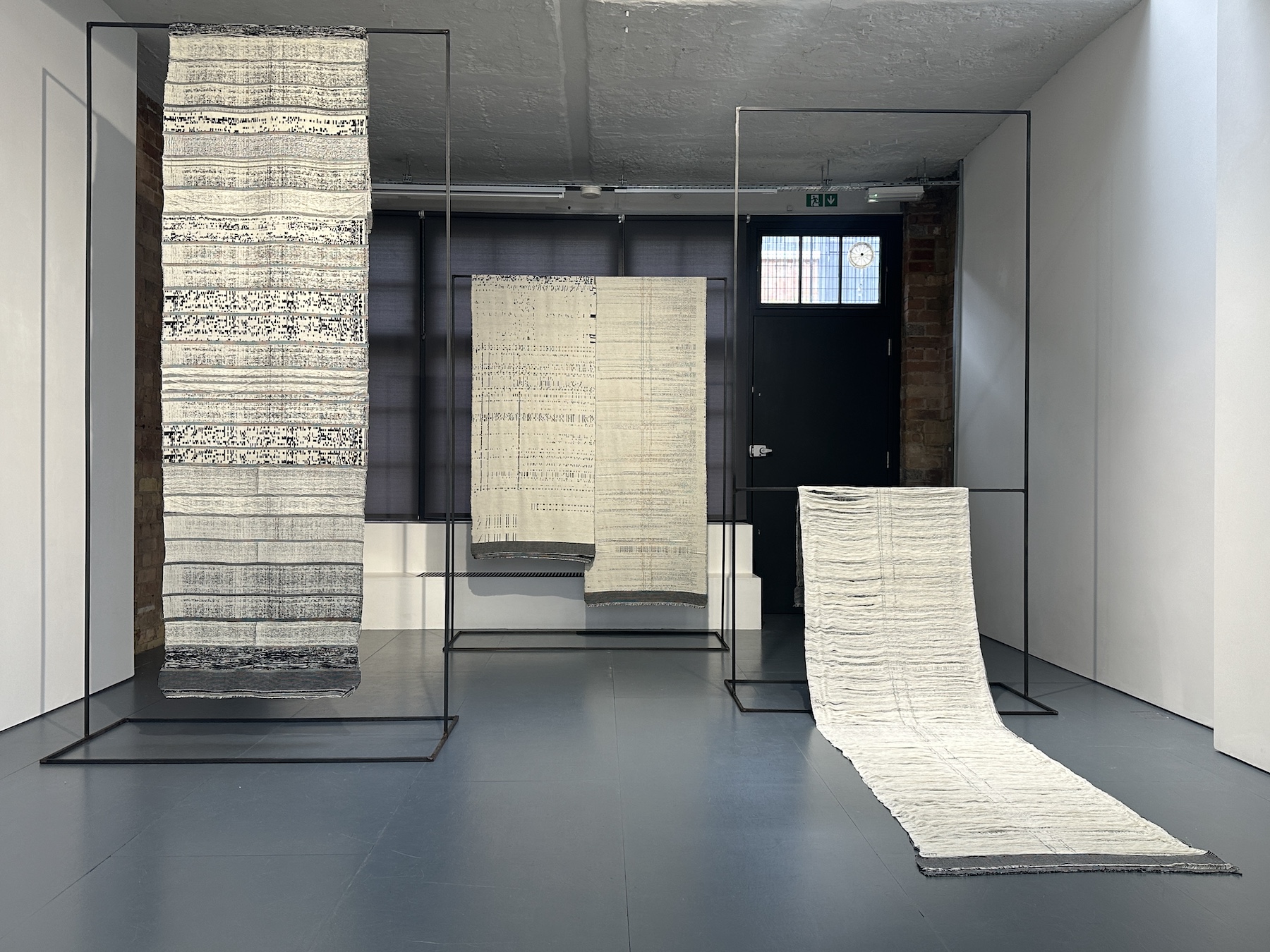
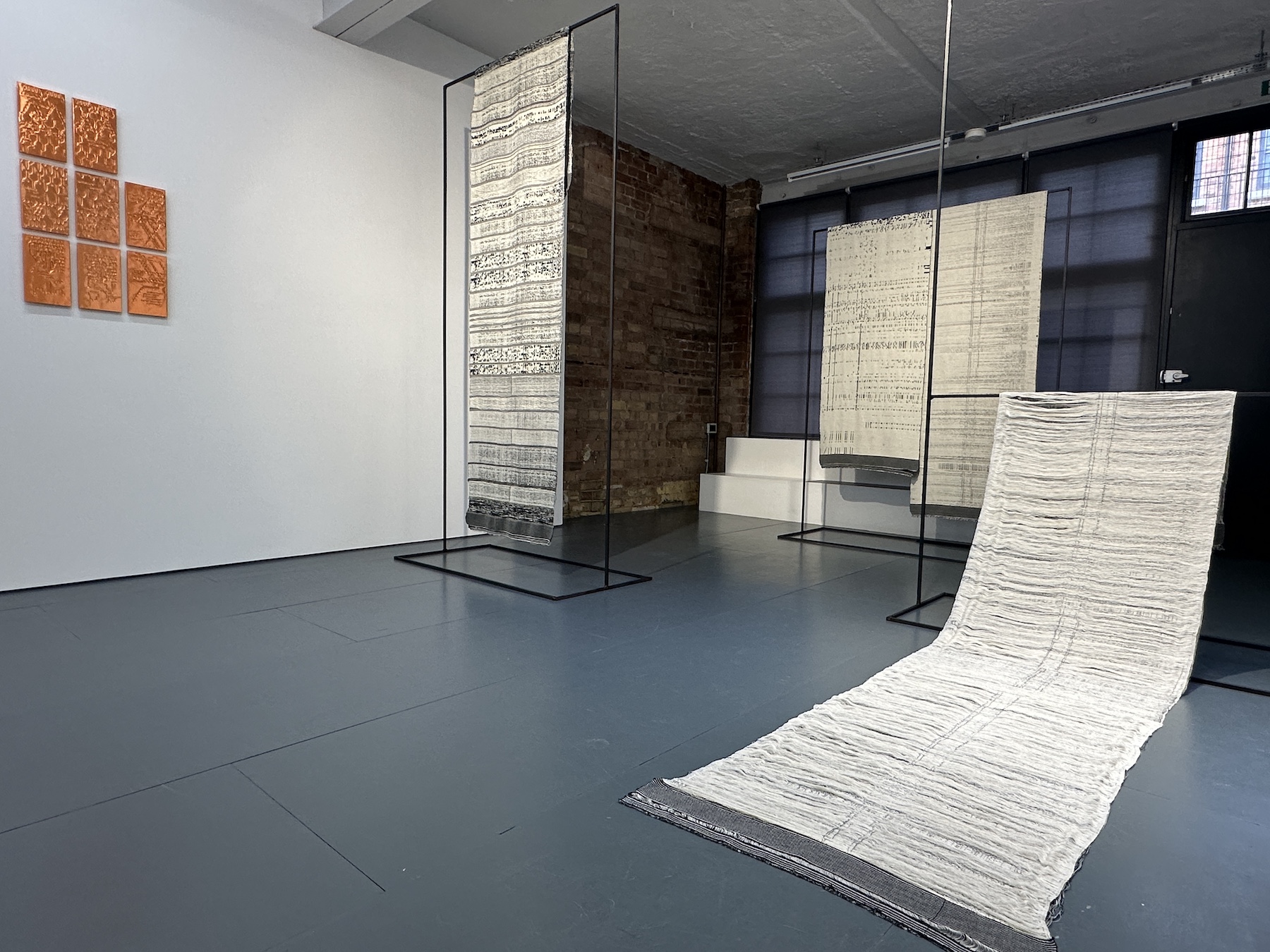
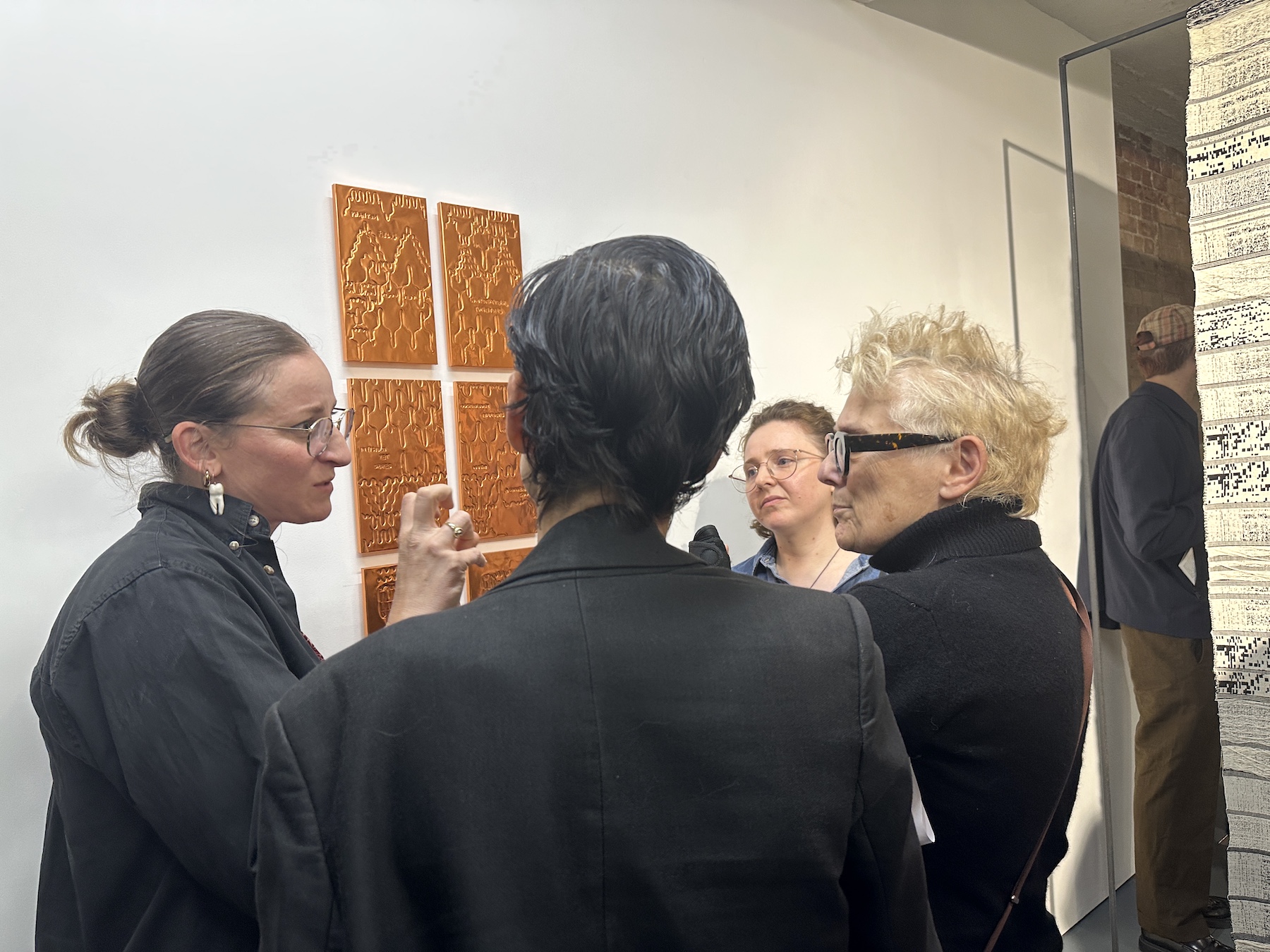
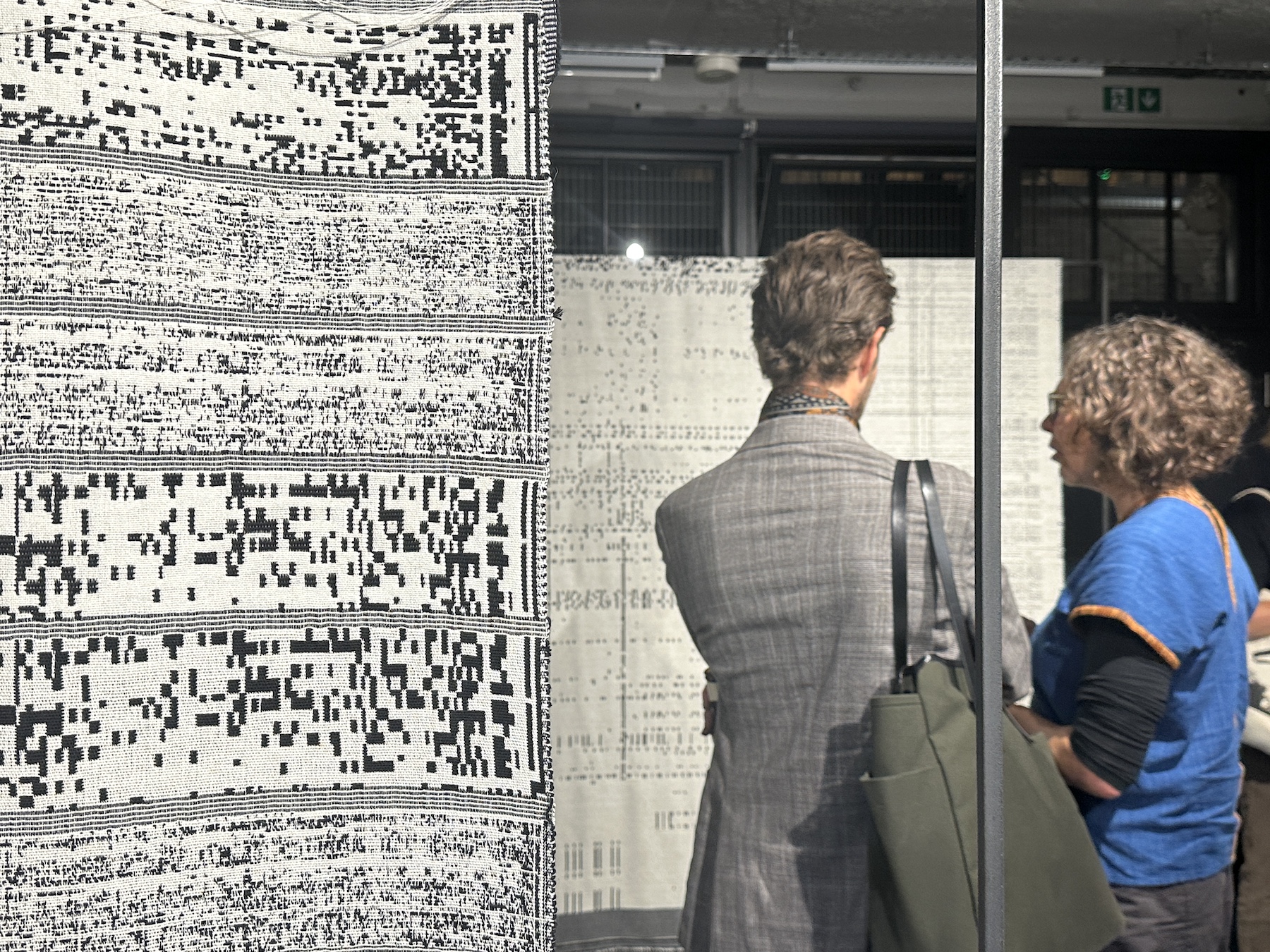
To create When Computers Were Women (2021), Crystal Bennes converted computer punch cards used at CERN in the 1970s into cards that could be used on a Jacquard loom, translating a complex computer programme into wall hangings woven by an all-women team. Hana Miletić's chequered curtains from her Materials series (2015-ongoing), also woven on a Jacquard loom, emulate transparency grids used in image editing software. Sarah Rosalena's Standard Candle series (2021) translates the graph data of stars, historically used by women 'computers' to study outer space, into textiles woven on a computerised dobby loom.
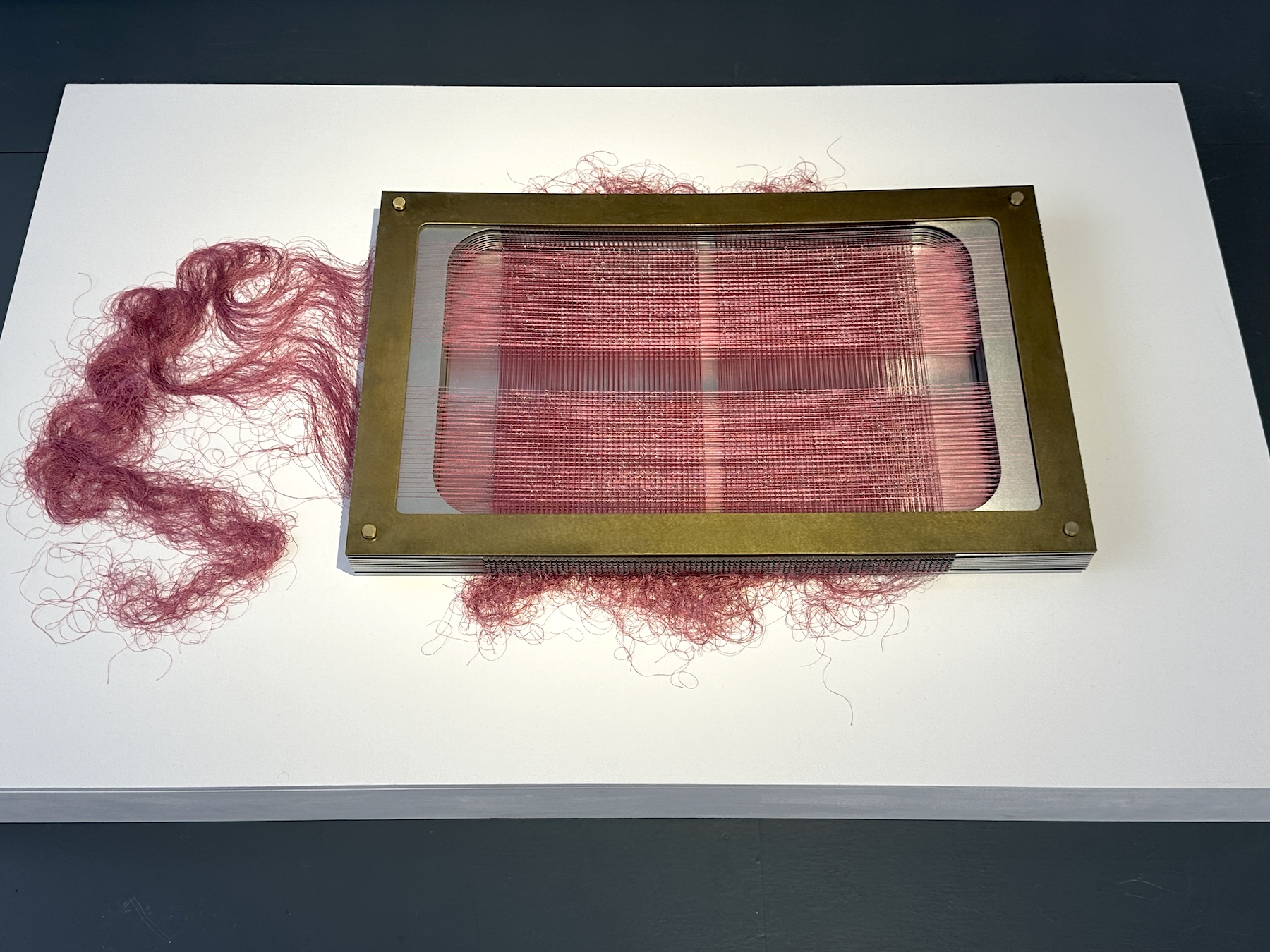
Recent works show a return to weaving as a strategy to engage with the digital and the computational, without adding to the exponential growth of digital content that saturates our culture. Artists use the loom as a site of digital interrogation, where histories of labour, extraction and gender come back into view. In returning to thread, artists are not rejecting digital technology, but rather retracing and re-examining its foundations.
Looms ran on binary code over a century before computers.
In 1804, the Jacquard loom revolutionised weaving by using punched cards to automate textile production. The code stored in the holes of the cards allowed complex images to be programmed into fabric. This foundational logic of computers was first harnessed not by scientists or engineers, but by weavers. Many decades later, the punch-card system was essential in the development of early computers, translating data and instructions into a language that could be read by digital machines.
Like weaving, the history of computers is built on manual, precise, and often gendered labour. Before the development of digital computers, women were employed as "human computers" to calculate mathematical problems by hand in a range of fields including aeronautics and astronomy.
Code, labour, and women have defined the histories of both textiles and computation.
Artists have mined these interconnected fields since as early as the 1970s. Beryl Korot's Text and Commentary (1976-77) integrates video and textiles, emphasising the shared logic of weaving and encoded information. Samia Halaby's Weavings (1987) uses early personal computing to create abstract, patterned moving image, bringing the logic of weaving into digital space. Marilou Schultz's depictions of microchips, which she has woven since the 1990s, recall the history of Indigenous labour in the manufacturing of electronics.
In recent years, the dialogue between weaving and computation has exploded in contemporary artistic practice, reflecting a simultaneous interest in algorithmic logic and a move to reclaim materiality and the handmade in our increasingly digital world.
To create When Computers Were Women (2021), Crystal Bennes converted computer punch cards used at CERN in the 1970s into cards that could be used on a Jacquard loom, translating a complex computer programme into wall hangings woven by an all-women team. Hana Miletić's chequered curtains from her Materials series (2015-ongoing), also woven on a Jacquard loom, emulate transparency grids used in image editing software. Sarah Rosalena's Standard Candle series (2021) translates the graph data of stars, historically used by women 'computers' to study outer space, into textiles woven on a computerised dobby loom.
Recent works show a return to weaving as a strategy to engage with the digital and the computational, without adding to the exponential growth of digital content that saturates our culture. Artists use the loom as a site of digital interrogation, where histories of labour, extraction and gender come back into view. In returning to thread, artists are not rejecting digital technology, but rather retracing and re-examining its foundations.
Kira Wainstein is a curator, researcher and writer. She is Assistant Editor of the forthcoming Rachel Whiteread catalogue raisonné and
works directly with artists on commissions and independent projects. She has held curatorial positions at Tate Modern and Tate Britain
on displays and exhibitions including Yoko Ono, Electric Dreams, and Ana Mendieta.